Showing posts with label Xavier Cugat. Show all posts

Tuesday, June 16, 2026

Xavier Cugat • Plays Continental Hits


Artist Biography
Xavier Cugat was the first bandleader to front a successful Latin orchestra in the United States. He was largely responsible for popularizing Latin music among North American audiences, paving the way for such future stars as Perez Prado, and Tito Puente.
Sources differ widely on Cugat's early life and career. It seems, though, that he was born on January 1, 1900, in the Catalonian region of Spain and moved to Cuba with his family when he was only a few years of age. A child prodigy on the violin, at age 12 he earned a seat as first violin with the orchestra of the Teatro Nacional in Havana. The young Cugat also apparently struck up a friendship with famed opera singer Enrico Caruso, who brought him to America near the end of the First World War. In New York Cugat met pianist and fellow Catalonian Agusto Borgunyó. Together they formed a classical duo.
In the early 1920s Cugat decided to abandon classical for popular music. His main interest lay in Latin rhythms, and picking up on the tango craze he formed a short-lived band called the Gigolos. He spent the next few years playing odd engagements and working with such popular orchestras as those of Vincent Lopez and Phil Harris. In the late 1920s he jumped on the sound movie bandwagon and formed a new version of the Gigolos. With this group he finally achieved a modicum of success, opening at the Los Angeles Coconut Grove in 1928 and appearing in the 1929 film Mexicana.
Cugat worked in Anson Weeks' orchestra during the early 1930s before forming a new outfit of his own. He continued to lead his band throughout the 1930s and into the 1940s, spending a great deal of time at the Waldorf- Astoria Hotel in New York. Cugat also had his own radio program. In the early 1930s he had a big hit with the song ''El Manicero'' (''The Peanut Vendor''), which started a rumba craze across America. His other hits were “Perfida” in 1940, and the original recording of “Babalu” in 1944. Cugat’s band always had very fine musicians and singers, and he put on a top notch performance on stage.
He was married five times, including to two of his vocalists, Abbe Lane and in the ‘60’s to Charo, who incidentally is still capitalizing on her association with him. He used his popularity in the music business to also have a very successful film career and made scores of film 1930 to 1960. During the ‘50’s and 60’s Cugat continued performing and recording, both on the Mercury and Decca labels. He left quite a recorded history and his music is still very popular today, and always sells. He briefly had his own television program in 1957 and also spent time in Europe directing Italian television. He was also quite a talented cartoonist and his caricatures are now valued by collectors. Cugat retired from show business in 1971 after suffering a stroke. In 1978 he settled in Barcelona.
Xavier Cugat died in 1990 from heart failure.
https://musicians.allaboutjazz.com/xaviercugat

///////

Biografía del artista
Xavier Cugat fue el primer director de orquesta en liderar una exitosa orquesta latina en Estados Unidos. Fue en gran parte responsable de popularizar la música latina entre el público norteamericano, allanando el camino para futuras estrellas como Pérez Prado y Tito Puente.

Las fuentes difieren ampliamente sobre los comienzos de la vida y la carrera de Cugat. Parece, sin embargo, que nació el 1 de enero de 1900 en la región catalana de España y se trasladó a Cuba con su familia cuando sólo tenía unos pocos años de edad. Niño prodigio del violín, a la edad de 12 años obtuvo un asiento como primer violín con la orquesta del Teatro Nacional de La Habana. Al parecer, el joven Cugat también entabló una amistad con el famoso cantante de ópera Enrico Caruso, que lo trajo a América cerca del final de la Primera Guerra Mundial. En Nueva York, Cugat conoció al pianista y compatriota catalán Agusto Borgunyó. Juntos formaron un dúo clásico.

A principios de la década de 1920, Cugat decidió abandonar la música clásica por la música popular. Su interés principal residía en los ritmos latinos, y recogiendo la moda del tango formó una banda de corta duración llamada The Gigolos. Pasó los siguientes años tocando en compromisos extraños y trabajando con orquestas tan populares como las de Vincent Lopez y Phil Harris. A finales de la década de 1920 se subió al tren de las películas de sonido y formó una nueva versión de los Gigolos. Con este grupo finalmente logró un mínimo éxito, abriendo en Los Angeles Coconut Grove en 1928 y apareciendo en la película Mexicana de 1929.

Cugat trabajó en la orquesta de Anson Weeks a principios de la década de 1930 antes de formar su propio equipo. Continuó dirigiendo su banda durante los años 30 y 40, pasando mucho tiempo en el Hotel Waldorf-Astoria de Nueva York. Cugat también tenía su propio programa de radio. A principios de la década de 1930 tuvo un gran éxito con la canción ''El Manicero'' (''El Manicero''), que inició una locura de rumba en toda América. Sus otros éxitos fueron "Perfida" en 1940 y la grabación original de "Babalu" en 1944. La banda de Cugat siempre tuvo músicos y cantantes muy buenos, y él hizo una actuación de primera clase en el escenario.

Se casó cinco veces, incluyendo a dos de sus vocalistas, Abbe Lane y en los años 60 con Charo, quien por cierto sigue capitalizando su asociación con él. Utilizó su popularidad en el negocio de la música para tener también una carrera cinematográfica muy exitosa e hizo partituras de películas de 1930 a 1960. Durante los años'50 y'60 Cugat continuó tocando y grabando, tanto en los sellos Mercury como Decca. Dejó una historia bastante grabada y su música sigue siendo muy popular hoy en día, y siempre se vende. Tuvo brevemente su propio programa de televisión en 1957 y también pasó un tiempo en Europa dirigiendo la televisión italiana. También era un caricaturista con mucho talento y sus caricaturas son ahora muy apreciadas por los coleccionistas. Cugat se retiró del mundo del espectáculo en 1971 tras sufrir un derrame cerebral. En 1978 se instaló en Barcelona.
Xavier Cugat murió en 1990 de un paro cardíaco.
https://musicians.allaboutjazz.com/xaviercugat


Friday, June 12, 2026

Xavier Cugat • Mambo Jambo


Artist Biography
Xavier Cugat was the first bandleader to front a successful Latin orchestra in the United States. He was largely responsible for popularizing Latin music among North American audiences, paving the way for such future stars as Perez Prado, and Tito Puente.
Sources differ widely on Cugat's early life and career. It seems, though, that he was born on January 1, 1900, in the Catalonian region of Spain and moved to Cuba with his family when he was only a few years of age. A child prodigy on the violin, at age 12 he earned a seat as first violin with the orchestra of the Teatro Nacional in Havana. The young Cugat also apparently struck up a friendship with famed opera singer Enrico Caruso, who brought him to America near the end of the First World War. In New York Cugat met pianist and fellow Catalonian Agusto Borgunyó. Together they formed a classical duo.
In the early 1920s Cugat decided to abandon classical for popular music. His main interest lay in Latin rhythms, and picking up on the tango craze he formed a short-lived band called the Gigolos. He spent the next few years playing odd engagements and working with such popular orchestras as those of Vincent Lopez and Phil Harris. In the late 1920s he jumped on the sound movie bandwagon and formed a new version of the Gigolos. With this group he finally achieved a modicum of success, opening at the Los Angeles Coconut Grove in 1928 and appearing in the 1929 film Mexicana.
Cugat worked in Anson Weeks' orchestra during the early 1930s before forming a new outfit of his own. He continued to lead his band throughout the 1930s and into the 1940s, spending a great deal of time at the Waldorf- Astoria Hotel in New York. Cugat also had his own radio program. In the early 1930s he had a big hit with the song ''El Manicero'' (''The Peanut Vendor''), which started a rumba craze across America. His other hits were “Perfida” in 1940, and the original recording of “Babalu” in 1944. Cugat’s band always had very fine musicians and singers, and he put on a top notch performance on stage.
He was married five times, including to two of his vocalists, Abbe Lane and in the ‘60’s to Charo, who incidentally is still capitalizing on her association with him. He used his popularity in the music business to also have a very successful film career and made scores of film 1930 to 1960. During the ‘50’s and 60’s Cugat continued performing and recording, both on the Mercury and Decca labels. He left quite a recorded history and his music is still very popular today, and always sells. He briefly had his own television program in 1957 and also spent time in Europe directing Italian television. He was also quite a talented cartoonist and his caricatures are now valued by collectors. Cugat retired from show business in 1971 after suffering a stroke. In 1978 he settled in Barcelona.
Xavier Cugat died in 1990 from heart failure.
https://musicians.allaboutjazz.com/xaviercugat
 
///////
 
Biografía del artista
Xavier Cugat fue el primer director de orquesta en liderar una exitosa orquesta latina en Estados Unidos. Fue en gran parte responsable de popularizar la música latina entre el público norteamericano, allanando el camino para futuras estrellas como Pérez Prado y Tito Puente.

Las fuentes difieren ampliamente sobre los comienzos de la vida y la carrera de Cugat. Parece, sin embargo, que nació el 1 de enero de 1900 en la región catalana de España y se trasladó a Cuba con su familia cuando sólo tenía unos pocos años de edad. Niño prodigio del violín, a la edad de 12 años obtuvo un asiento como primer violín con la orquesta del Teatro Nacional de La Habana. Al parecer, el joven Cugat también entabló una amistad con el famoso cantante de ópera Enrico Caruso, que lo trajo a América cerca del final de la Primera Guerra Mundial. En Nueva York, Cugat conoció al pianista y compatriota catalán Agusto Borgunyó. Juntos formaron un dúo clásico.

A principios de la década de 1920, Cugat decidió abandonar la música clásica por la música popular. Su interés principal residía en los ritmos latinos, y recogiendo la moda del tango formó una banda de corta duración llamada The Gigolos. Pasó los siguientes años tocando en compromisos extraños y trabajando con orquestas tan populares como las de Vincent Lopez y Phil Harris. A finales de la década de 1920 se subió al tren de las películas de sonido y formó una nueva versión de los Gigolos. Con este grupo finalmente logró un mínimo éxito, abriendo en Los Angeles Coconut Grove en 1928 y apareciendo en la película Mexicana de 1929.

Cugat trabajó en la orquesta de Anson Weeks a principios de la década de 1930 antes de formar su propio equipo. Continuó dirigiendo su banda durante los años 30 y 40, pasando mucho tiempo en el Hotel Waldorf-Astoria de Nueva York. Cugat también tenía su propio programa de radio. A principios de la década de 1930 tuvo un gran éxito con la canción ''El Manicero'' (''El Manicero''), que inició una locura de rumba en toda América. Sus otros éxitos fueron "Perfida" en 1940 y la grabación original de "Babalu" en 1944. La banda de Cugat siempre tuvo músicos y cantantes muy buenos, y él hizo una actuación de primera clase en el escenario.

Se casó cinco veces, incluyendo a dos de sus vocalistas, Abbe Lane y en los años 60 con Charo, quien por cierto sigue capitalizando su asociación con él. Utilizó su popularidad en el negocio de la música para tener también una carrera cinematográfica muy exitosa e hizo partituras de películas de 1930 a 1960. Durante los años'50 y'60 Cugat continuó tocando y grabando, tanto en los sellos Mercury como Decca. Dejó una historia bastante grabada y su música sigue siendo muy popular hoy en día, y siempre se vende. Tuvo brevemente su propio programa de televisión en 1957 y también pasó un tiempo en Europa dirigiendo la televisión italiana. También era un caricaturista con mucho talento y sus caricaturas son ahora muy apreciadas por los coleccionistas. Cugat se retiró del mundo del espectáculo en 1971 tras sufrir un derrame cerebral. En 1978 se instaló en Barcelona.

Xavier Cugat murió en 1990 de un paro cardíaco.
https://musicians.allaboutjazz.com/xaviercugat 


Wednesday, May 27, 2026

Xavier Cugat • Merengues por Cugat


Artist Biography
Xavier Cugat was the first bandleader to front a successful Latin orchestra in the United States. He was largely responsible for popularizing Latin music among North American audiences, paving the way for such future stars as Perez Prado, and Tito Puente.
Sources differ widely on Cugat's early life and career. It seems, though, that he was born on January 1, 1900, in the Catalonian region of Spain and moved to Cuba with his family when he was only a few years of age. A child prodigy on the violin, at age 12 he earned a seat as first violin with the orchestra of the Teatro Nacional in Havana. The young Cugat also apparently struck up a friendship with famed opera singer Enrico Caruso, who brought him to America near the end of the First World War. In New York Cugat met pianist and fellow Catalonian Agusto Borgunyó. Together they formed a classical duo.
In the early 1920s Cugat decided to abandon classical for popular music. His main interest lay in Latin rhythms, and picking up on the tango craze he formed a short-lived band called the Gigolos. He spent the next few years playing odd engagements and working with such popular orchestras as those of Vincent Lopez and Phil Harris. In the late 1920s he jumped on the sound movie bandwagon and formed a new version of the Gigolos. With this group he finally achieved a modicum of success, opening at the Los Angeles Coconut Grove in 1928 and appearing in the 1929 film Mexicana.
Cugat worked in Anson Weeks' orchestra during the early 1930s before forming a new outfit of his own. He continued to lead his band throughout the 1930s and into the 1940s, spending a great deal of time at the Waldorf- Astoria Hotel in New York. Cugat also had his own radio program. In the early 1930s he had a big hit with the song ''El Manicero'' (''The Peanut Vendor''), which started a rumba craze across America. His other hits were “Perfida” in 1940, and the original recording of “Babalu” in 1944. Cugat’s band always had very fine musicians and singers, and he put on a top notch performance on stage.
He was married five times, including to two of his vocalists, Abbe Lane and in the ‘60’s to Charo, who incidentally is still capitalizing on her association with him. He used his popularity in the music business to also have a very successful film career and made scores of film 1930 to 1960. During the ‘50’s and 60’s Cugat continued performing and recording, both on the Mercury and Decca labels. He left quite a recorded history and his music is still very popular today, and always sells. He briefly had his own television program in 1957 and also spent time in Europe directing Italian television. He was also quite a talented cartoonist and his caricatures are now valued by collectors. Cugat retired from show business in 1971 after suffering a stroke. In 1978 he settled in Barcelona.
Xavier Cugat died in 1990 from heart failure.
https://musicians.allaboutjazz.com/xaviercugat

///////

Biografía del artista
Xavier Cugat fue el primer director de orquesta en liderar una exitosa orquesta latina en Estados Unidos. Fue en gran parte responsable de popularizar la música latina entre el público norteamericano, allanando el camino para futuras estrellas como Pérez Prado y Tito Puente.

Las fuentes difieren ampliamente sobre los comienzos de la vida y la carrera de Cugat. Parece, sin embargo, que nació el 1 de enero de 1900 en la región catalana de España y se trasladó a Cuba con su familia cuando sólo tenía unos pocos años de edad. Niño prodigio del violín, a la edad de 12 años obtuvo un asiento como primer violín con la orquesta del Teatro Nacional de La Habana. Al parecer, el joven Cugat también entabló una amistad con el famoso cantante de ópera Enrico Caruso, que lo trajo a América cerca del final de la Primera Guerra Mundial. En Nueva York, Cugat conoció al pianista y compatriota catalán Agusto Borgunyó. Juntos formaron un dúo clásico.

A principios de la década de 1920, Cugat decidió abandonar la música clásica por la música popular. Su interés principal residía en los ritmos latinos, y recogiendo la moda del tango formó una banda de corta duración llamada The Gigolos. Pasó los siguientes años tocando en compromisos extraños y trabajando con orquestas tan populares como las de Vincent Lopez y Phil Harris. A finales de la década de 1920 se subió al tren de las películas de sonido y formó una nueva versión de los Gigolos. Con este grupo finalmente logró un mínimo éxito, abriendo en Los Angeles Coconut Grove en 1928 y apareciendo en la película Mexicana de 1929.

Cugat trabajó en la orquesta de Anson Weeks a principios de la década de 1930 antes de formar su propio equipo. Continuó dirigiendo su banda durante los años 30 y 40, pasando mucho tiempo en el Hotel Waldorf-Astoria de Nueva York. Cugat también tenía su propio programa de radio. A principios de la década de 1930 tuvo un gran éxito con la canción ''El Manicero'' (''El Manicero''), que inició una locura de rumba en toda América. Sus otros éxitos fueron "Perfida" en 1940 y la grabación original de "Babalu" en 1944. La banda de Cugat siempre tuvo músicos y cantantes muy buenos, y él hizo una actuación de primera clase en el escenario.

Se casó cinco veces, incluyendo a dos de sus vocalistas, Abbe Lane y en los años 60 con Charo, quien por cierto sigue capitalizando su asociación con él. Utilizó su popularidad en el negocio de la música para tener también una carrera cinematográfica muy exitosa e hizo partituras de películas de 1930 a 1960. Durante los años'50 y'60 Cugat continuó tocando y grabando, tanto en los sellos Mercury como Decca. Dejó una historia bastante grabada y su música sigue siendo muy popular hoy en día, y siempre se vende. Tuvo brevemente su propio programa de televisión en 1957 y también pasó un tiempo en Europa dirigiendo la televisión italiana. También era un caricaturista con mucho talento y sus caricaturas son ahora muy apreciadas por los coleccionistas. Cugat se retiró del mundo del espectáculo en 1971 tras sufrir un derrame cerebral. En 1978 se instaló en Barcelona.
Xavier Cugat murió en 1990 de un paro cardíaco.
https://musicians.allaboutjazz.com/xaviercugat


Tuesday, July 29, 2025

Xavier Cugat • Caricatures


Review
by Tony Wilds
The most irresistible aspect of Cugi's Caricatures may be the jacket's sketches to accompany each title. They are by Cugat, of course. The theme is supposed to be jazz and rock tunes, but popular standards in various Latin and Brazilian styles is more accurate. "Night Train" could be jazz or rock, but here it is a cha-cha, one of the highlights. The tunes leading off each side, "Fly Me to the Moon" and "Desafinado," indicate the peak popularity of bossa nova. Culminating his Mercury years, Cugat Caricatures' smooth consistency indicates the sophisticated, tried-and-true sound that would distinquish his subsequent Decca period. 
 
///////
 
 Revisión
por Tony Wilds
El aspecto más irresistible de las Caricaturas de Cugi pueden ser los bocetos de la cubierta que acompañan a cada título. Son de Cugat, por supuesto. Se supone que la temática es de melodías de jazz y rock, pero los estándares populares de diversos estilos latinos y brasileños son más precisos. "Night Train" podría ser de jazz o de rock, pero aquí es un chachachá, uno de los más destacados. Los temas que encabezan cada lado, "Fly Me to the Moon" y "Desafinado", indican el pico de popularidad de la bossa nova. Culminando sus años en Mercury, la suave consistencia de Cugat Caricatures indica el sonido sofisticado y probado que distinguiría su posterior periodo en Decca.


Thursday, March 27, 2025

Xavier Cugat • Bread, Love and Cha Cha Cha


Artist Biography
Xavier Cugat was the first bandleader to front a successful Latin orchestra in the United States. He was largely responsible for popularizing Latin music among North American audiences, paving the way for such future stars as Perez Prado, and Tito Puente.
Sources differ widely on Cugat's early life and career. It seems, though, that he was born on January 1, 1900, in the Catalonian region of Spain and moved to Cuba with his family when he was only a few years of age. A child prodigy on the violin, at age 12 he earned a seat as first violin with the orchestra of the Teatro Nacional in Havana. The young Cugat also apparently struck up a friendship with famed opera singer Enrico Caruso, who brought him to America near the end of the First World War. In New York Cugat met pianist and fellow Catalonian Agusto Borgunyó. Together they formed a classical duo.
In the early 1920s Cugat decided to abandon classical for popular music. His main interest lay in Latin rhythms, and picking up on the tango craze he formed a short-lived band called the Gigolos. He spent the next few years playing odd engagements and working with such popular orchestras as those of Vincent Lopez and Phil Harris. In the late 1920s he jumped on the sound movie bandwagon and formed a new version of the Gigolos. With this group he finally achieved a modicum of success, opening at the Los Angeles Coconut Grove in 1928 and appearing in the 1929 film Mexicana.
Cugat worked in Anson Weeks' orchestra during the early 1930s before forming a new outfit of his own. He continued to lead his band throughout the 1930s and into the 1940s, spending a great deal of time at the Waldorf- Astoria Hotel in New York. Cugat also had his own radio program. In the early 1930s he had a big hit with the song ''El Manicero'' (''The Peanut Vendor''), which started a rumba craze across America. His other hits were “Perfida” in 1940, and the original recording of “Babalu” in 1944. Cugat’s band always had very fine musicians and singers, and he put on a top notch performance on stage.
He was married five times, including to two of his vocalists, Abbe Lane and in the ‘60’s to Charo, who incidentally is still capitalizing on her association with him. He used his popularity in the music business to also have a very successful film career and made scores of film 1930 to 1960. During the ‘50’s and 60’s Cugat continued performing and recording, both on the Mercury and Decca labels. He left quite a recorded history and his music is still very popular today, and always sells. He briefly had his own television program in 1957 and also spent time in Europe directing Italian television. He was also quite a talented cartoonist and his caricatures are now valued by collectors. Cugat retired from show business in 1971 after suffering a stroke. In 1978 he settled in Barcelona.
Xavier Cugat died in 1990 from heart failure.
https://musicians.allaboutjazz.com/xaviercugat

///////


Biografía del artista
Xavier Cugat fue el primer director de orquesta en liderar una exitosa orquesta latina en Estados Unidos. Fue en gran parte responsable de popularizar la música latina entre el público norteamericano, allanando el camino para futuras estrellas como Pérez Prado y Tito Puente.

Las fuentes difieren ampliamente sobre los comienzos de la vida y la carrera de Cugat. Parece, sin embargo, que nació el 1 de enero de 1900 en la región catalana de España y se trasladó a Cuba con su familia cuando sólo tenía unos pocos años de edad. Niño prodigio del violín, a la edad de 12 años obtuvo un asiento como primer violín con la orquesta del Teatro Nacional de La Habana. Al parecer, el joven Cugat también entabló una amistad con el famoso cantante de ópera Enrico Caruso, que lo trajo a América cerca del final de la Primera Guerra Mundial. En Nueva York, Cugat conoció al pianista y compatriota catalán Agusto Borgunyó. Juntos formaron un dúo clásico.

A principios de la década de 1920, Cugat decidió abandonar la música clásica por la música popular. Su interés principal residía en los ritmos latinos, y recogiendo la moda del tango formó una banda de corta duración llamada The Gigolos. Pasó los siguientes años tocando en compromisos extraños y trabajando con orquestas tan populares como las de Vincent Lopez y Phil Harris. A finales de la década de 1920 se subió al tren de las películas de sonido y formó una nueva versión de los Gigolos. Con este grupo finalmente logró un mínimo éxito, abriendo en Los Angeles Coconut Grove en 1928 y apareciendo en la película Mexicana de 1929.

Cugat trabajó en la orquesta de Anson Weeks a principios de la década de 1930 antes de formar su propio equipo. Continuó dirigiendo su banda durante los años 30 y 40, pasando mucho tiempo en el Hotel Waldorf-Astoria de Nueva York. Cugat también tenía su propio programa de radio. A principios de la década de 1930 tuvo un gran éxito con la canción ''El Manicero'' (''El Manicero''), que inició una locura de rumba en toda América. Sus otros éxitos fueron "Perfida" en 1940 y la grabación original de "Babalu" en 1944. La banda de Cugat siempre tuvo músicos y cantantes muy buenos, y él hizo una actuación de primera clase en el escenario.

Se casó cinco veces, incluyendo a dos de sus vocalistas, Abbe Lane y en los años 60 con Charo, quien por cierto sigue capitalizando su asociación con él. Utilizó su popularidad en el negocio de la música para tener también una carrera cinematográfica muy exitosa e hizo partituras de películas de 1930 a 1960. Durante los años'50 y'60 Cugat continuó tocando y grabando, tanto en los sellos Mercury como Decca. Dejó una historia bastante grabada y su música sigue siendo muy popular hoy en día, y siempre se vende. Tuvo brevemente su propio programa de televisión en 1957 y también pasó un tiempo en Europa dirigiendo la televisión italiana. También era un caricaturista con mucho talento y sus caricaturas son ahora muy apreciadas por los coleccionistas. Cugat se retiró del mundo del espectáculo en 1971 tras sufrir un derrame cerebral. En 1978 se instaló en Barcelona.
Xavier Cugat murió en 1990 de un paro cardíaco.
https://musicians.allaboutjazz.com/xaviercugat


Sunday, March 23, 2025

Xavier Cugat • Viva Cugat!


Artist Biography
Xavier Cugat was the first bandleader to front a successful Latin orchestra in the United States. He was largely responsible for popularizing Latin music among North American audiences, paving the way for such future stars as Perez Prado, and Tito Puente.
Sources differ widely on Cugat's early life and career. It seems, though, that he was born on January 1, 1900, in the Catalonian region of Spain and moved to Cuba with his family when he was only a few years of age. A child prodigy on the violin, at age 12 he earned a seat as first violin with the orchestra of the Teatro Nacional in Havana. The young Cugat also apparently struck up a friendship with famed opera singer Enrico Caruso, who brought him to America near the end of the First World War. In New York Cugat met pianist and fellow Catalonian Agusto Borgunyó. Together they formed a classical duo.
In the early 1920s Cugat decided to abandon classical for popular music. His main interest lay in Latin rhythms, and picking up on the tango craze he formed a short-lived band called the Gigolos. He spent the next few years playing odd engagements and working with such popular orchestras as those of Vincent Lopez and Phil Harris. In the late 1920s he jumped on the sound movie bandwagon and formed a new version of the Gigolos. With this group he finally achieved a modicum of success, opening at the Los Angeles Coconut Grove in 1928 and appearing in the 1929 film Mexicana.
Cugat worked in Anson Weeks' orchestra during the early 1930s before forming a new outfit of his own. He continued to lead his band throughout the 1930s and into the 1940s, spending a great deal of time at the Waldorf- Astoria Hotel in New York. Cugat also had his own radio program. In the early 1930s he had a big hit with the song ''El Manicero'' (''The Peanut Vendor''), which started a rumba craze across America. His other hits were “Perfida” in 1940, and the original recording of “Babalu” in 1944. Cugat’s band always had very fine musicians and singers, and he put on a top notch performance on stage.
He was married five times, including to two of his vocalists, Abbe Lane and in the ‘60’s to Charo, who incidentally is still capitalizing on her association with him. He used his popularity in the music business to also have a very successful film career and made scores of film 1930 to 1960. During the ‘50’s and 60’s Cugat continued performing and recording, both on the Mercury and Decca labels. He left quite a recorded history and his music is still very popular today, and always sells. He briefly had his own television program in 1957 and also spent time in Europe directing Italian television. He was also quite a talented cartoonist and his caricatures are now valued by collectors. Cugat retired from show business in 1971 after suffering a stroke. In 1978 he settled in Barcelona.
Xavier Cugat died in 1990 from heart failure.
https://musicians.allaboutjazz.com/xaviercugat
 
///////
 
Biografía del artista
Xavier Cugat fue el primer director de orquesta en liderar una exitosa orquesta latina en Estados Unidos. Fue en gran parte responsable de popularizar la música latina entre el público norteamericano, allanando el camino para futuras estrellas como Pérez Prado y Tito Puente.

Las fuentes difieren ampliamente sobre los comienzos de la vida y la carrera de Cugat. Parece, sin embargo, que nació el 1 de enero de 1900 en la región catalana de España y se trasladó a Cuba con su familia cuando sólo tenía unos pocos años de edad. Niño prodigio del violín, a la edad de 12 años obtuvo un asiento como primer violín con la orquesta del Teatro Nacional de La Habana. Al parecer, el joven Cugat también entabló una amistad con el famoso cantante de ópera Enrico Caruso, que lo trajo a América cerca del final de la Primera Guerra Mundial. En Nueva York, Cugat conoció al pianista y compatriota catalán Agusto Borgunyó. Juntos formaron un dúo clásico.

A principios de la década de 1920, Cugat decidió abandonar la música clásica por la música popular. Su interés principal residía en los ritmos latinos, y recogiendo la moda del tango formó una banda de corta duración llamada The Gigolos. Pasó los siguientes años tocando en compromisos extraños y trabajando con orquestas tan populares como las de Vincent Lopez y Phil Harris. A finales de la década de 1920 se subió al tren de las películas de sonido y formó una nueva versión de los Gigolos. Con este grupo finalmente logró un mínimo éxito, abriendo en Los Angeles Coconut Grove en 1928 y apareciendo en la película Mexicana de 1929.

Cugat trabajó en la orquesta de Anson Weeks a principios de la década de 1930 antes de formar su propio equipo. Continuó dirigiendo su banda durante los años 30 y 40, pasando mucho tiempo en el Hotel Waldorf-Astoria de Nueva York. Cugat también tenía su propio programa de radio. A principios de la década de 1930 tuvo un gran éxito con la canción ''El Manicero'' (''El Manicero''), que inició una locura de rumba en toda América. Sus otros éxitos fueron "Perfida" en 1940 y la grabación original de "Babalu" en 1944. La banda de Cugat siempre tuvo músicos y cantantes muy buenos, y él hizo una actuación de primera clase en el escenario.

Se casó cinco veces, incluyendo a dos de sus vocalistas, Abbe Lane y en los años 60 con Charo, quien por cierto sigue capitalizando su asociación con él. Utilizó su popularidad en el negocio de la música para tener también una carrera cinematográfica muy exitosa e hizo partituras de películas de 1930 a 1960. Durante los años'50 y'60 Cugat continuó tocando y grabando, tanto en los sellos Mercury como Decca. Dejó una historia bastante grabada y su música sigue siendo muy popular hoy en día, y siempre se vende. Tuvo brevemente su propio programa de televisión en 1957 y también pasó un tiempo en Europa dirigiendo la televisión italiana. También era un caricaturista con mucho talento y sus caricaturas son ahora muy apreciadas por los coleccionistas. Cugat se retiró del mundo del espectáculo en 1971 tras sufrir un derrame cerebral. En 1978 se instaló en Barcelona.

Xavier Cugat murió en 1990 de un paro cardíaco.
https://musicians.allaboutjazz.com/xaviercugat


Saturday, March 15, 2025

Xavier Cugat & His Orchestra • Movie Classics


Jazz in Comics!


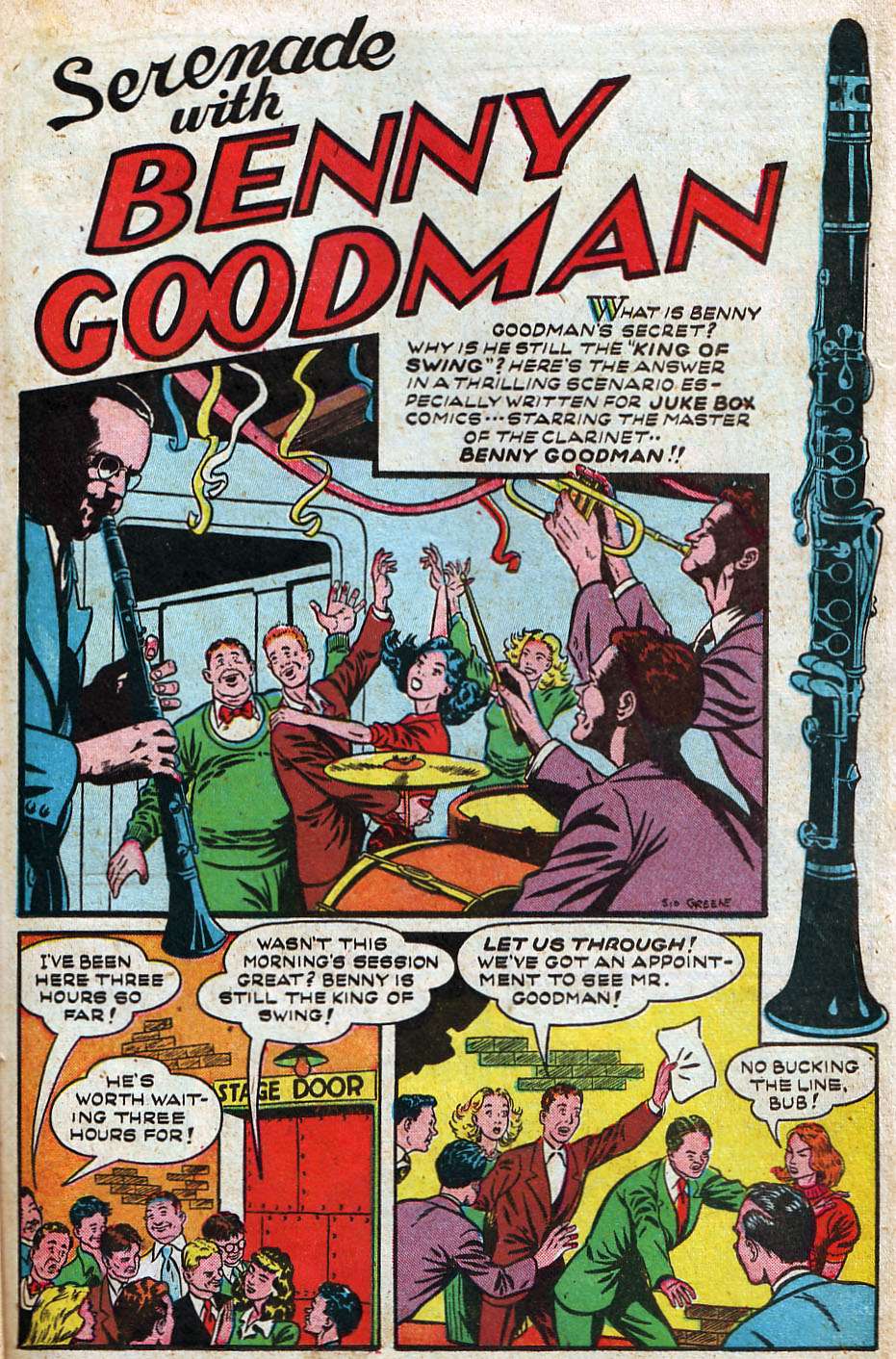
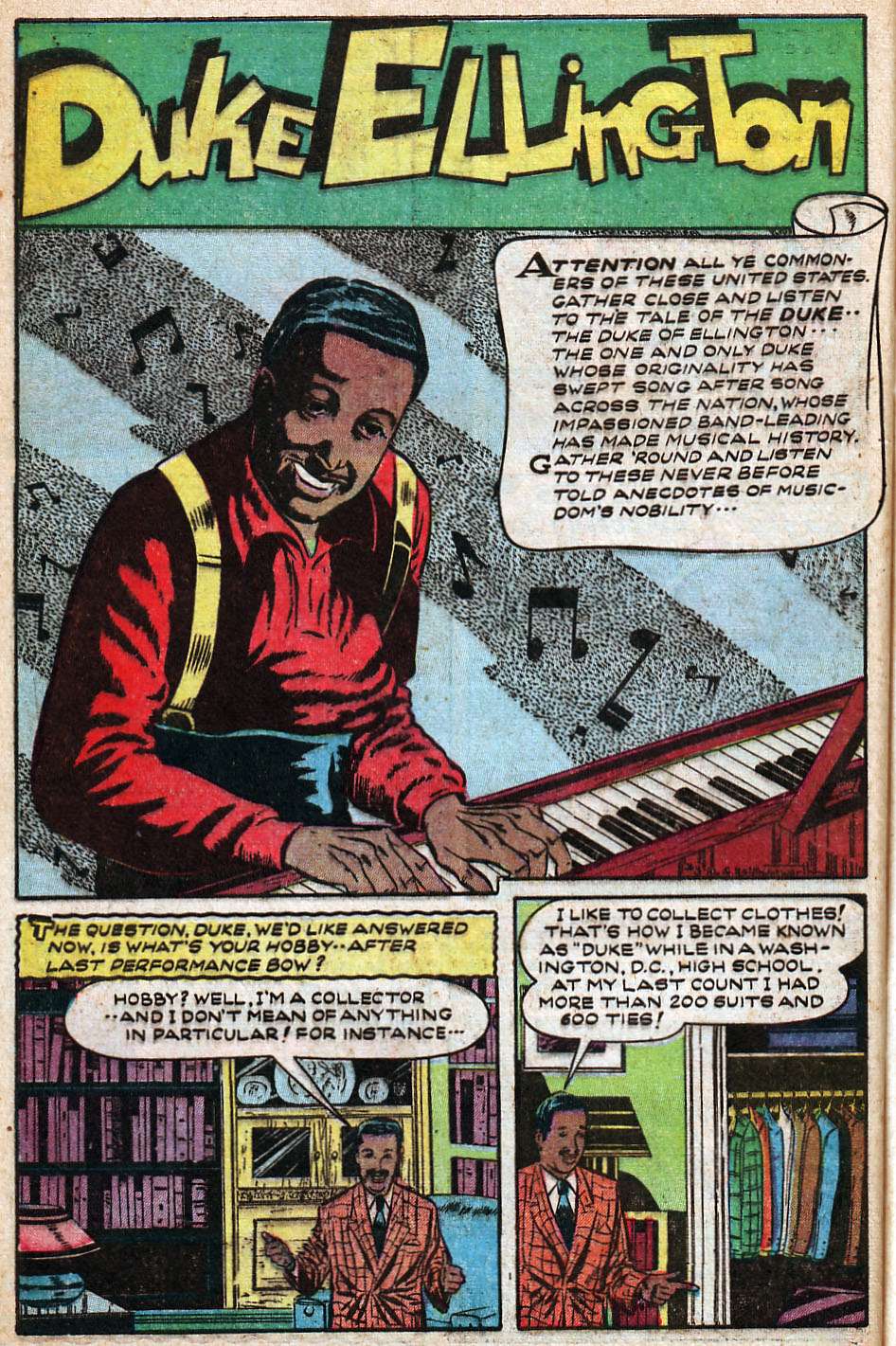
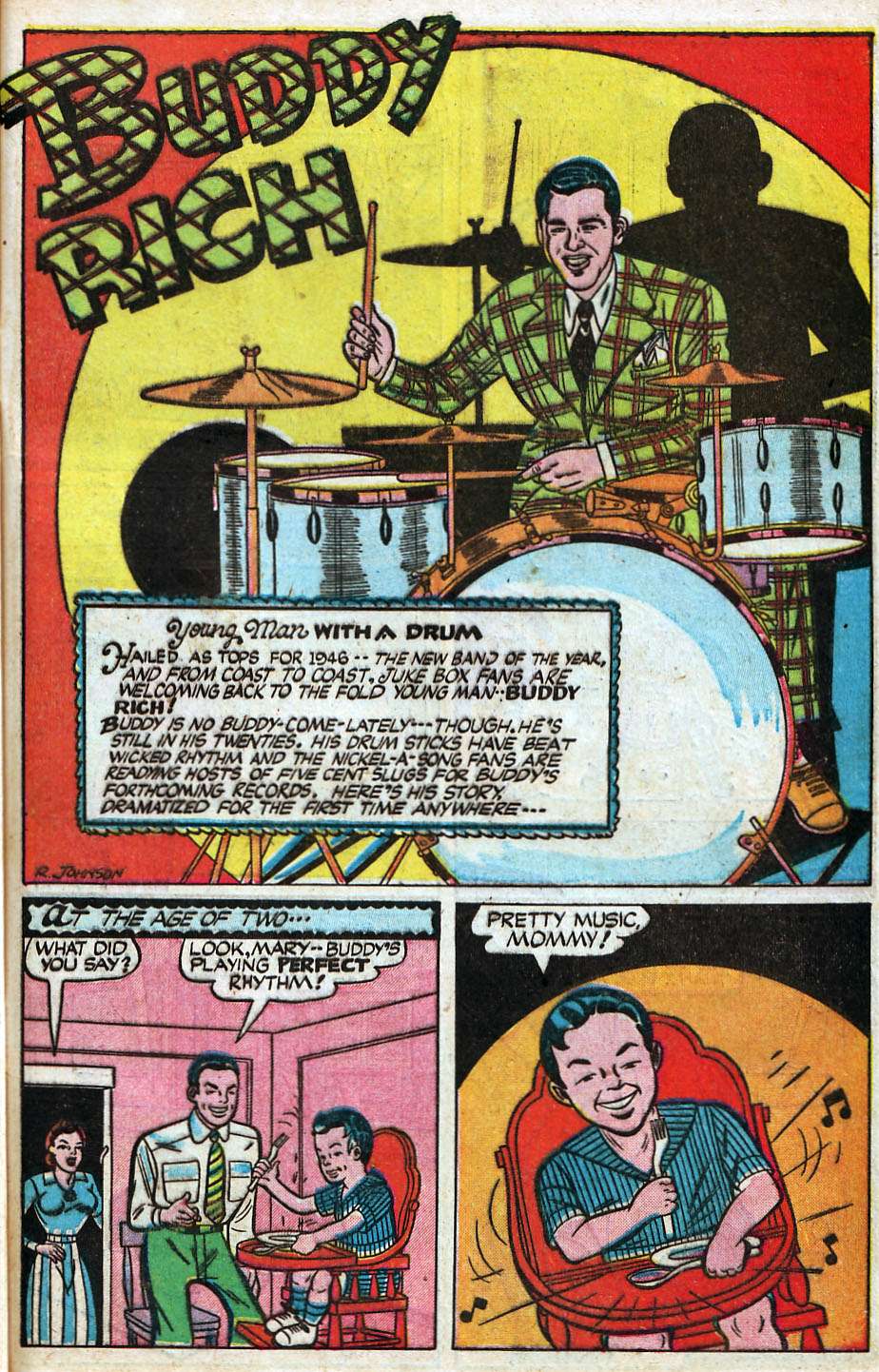
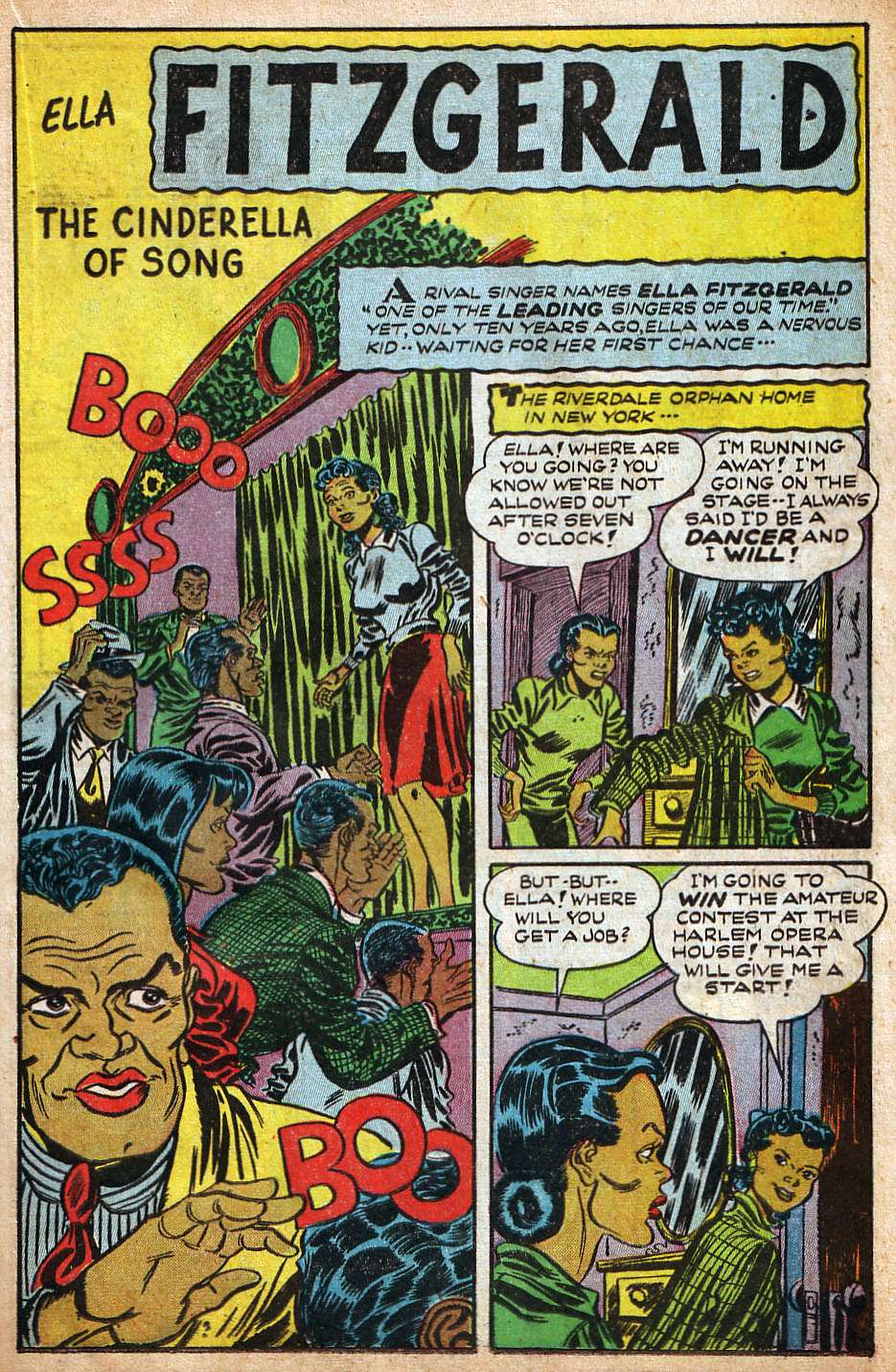
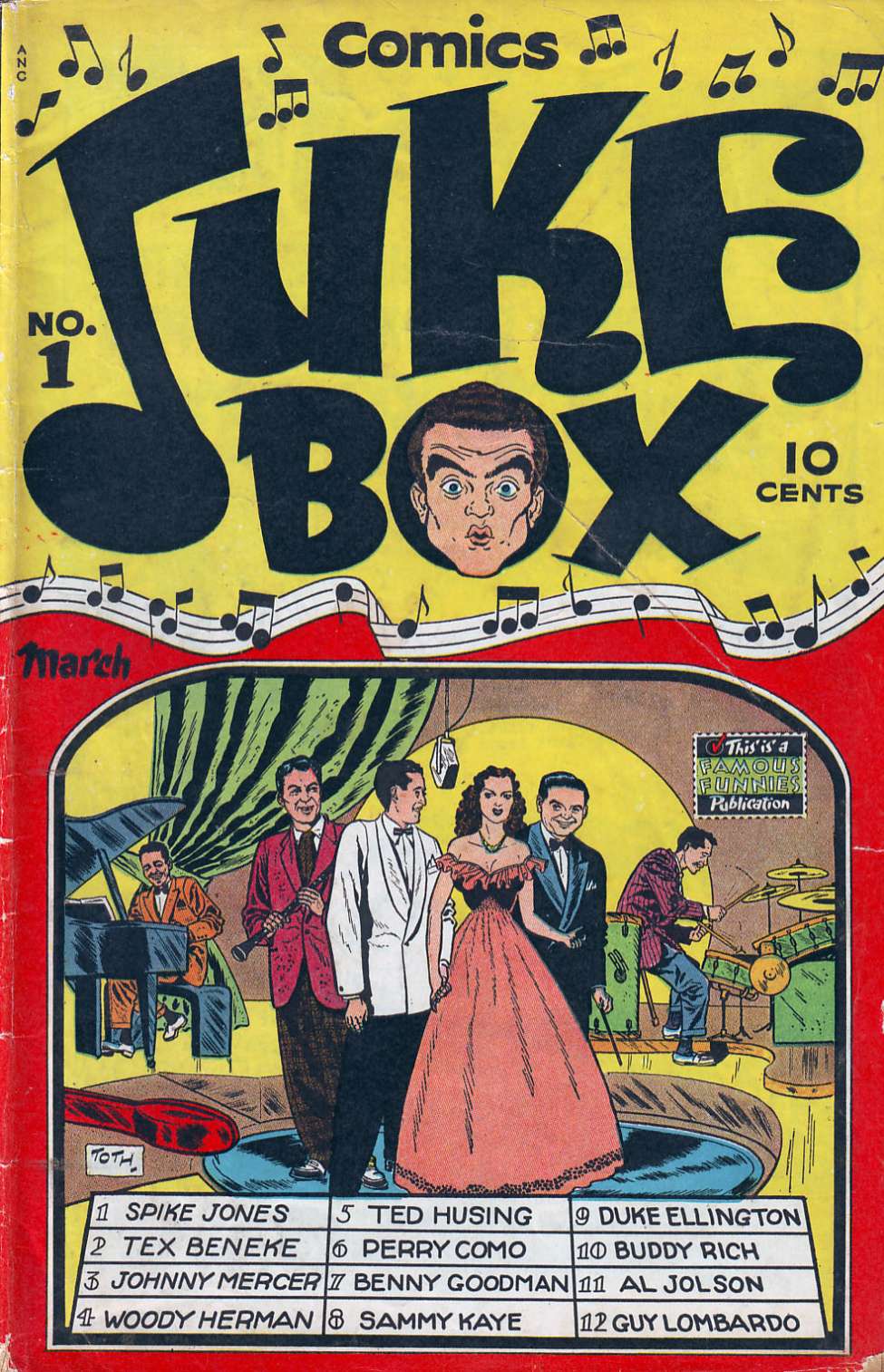
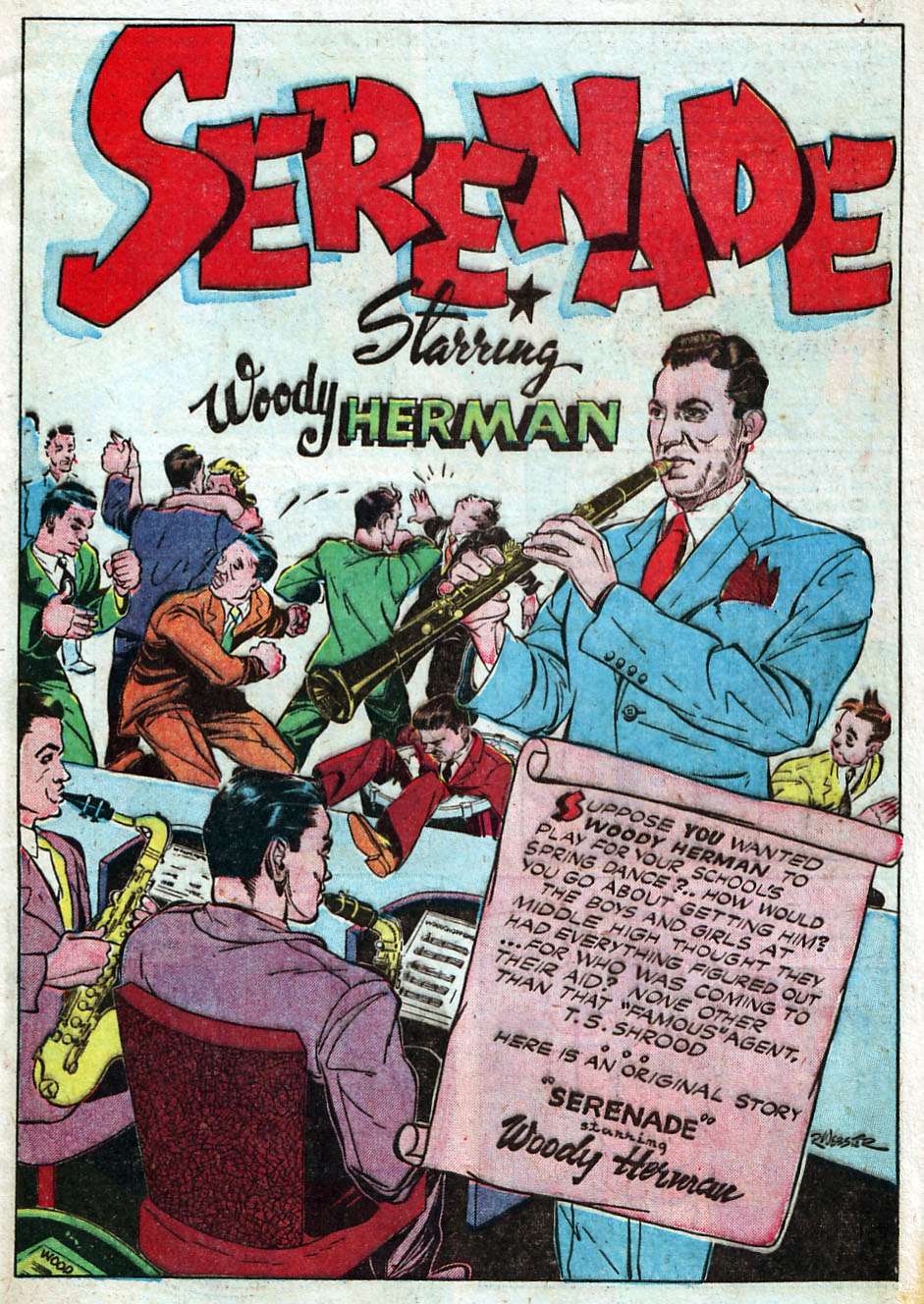
Juke Box Comics was a publication that had six numbers between 1948 and 1949, which stood out for presenting famous jazz and popular music in different stories and adventures. We can see parading through its pages to Woody Herman, Benny Goodman, Duke Ellington, Buddy Rich, Al Johnson, Xavier Cugat, Ella Fitzgerald, Louis Armstrong, Cab Calloway and Lionel Hampton among others.53 comics pages each are online at the link listed at the end.

///////

Juke Box Comics fue una publicación que tuvo 6 números entre 1948 y 1949, que se destacaba por presentar a famosos del jazz y música popular en diversas historias y aventuras. Podemos ver desfilar por su páginas a Woody Herman, Benny Goodman, Duke Ellington, Buddy Rich, Al Jhonson, Xavier Cugat, Ella Fitzgerald, Louis Armstrong, Cab Calloway y Lionel Hampton entre otros.
Los 6 comics de 53 páginas cada uno se encuentran online, en link que se indica al final.


Thursday, March 13, 2025

Xavier Cugat • The Best of Cugat


Artist Biography
Xavier Cugat was the first bandleader to front a successful Latin orchestra in the United States. He was largely responsible for popularizing Latin music among North American audiences, paving the way for such future stars as Perez Prado, and Tito Puente.
Sources differ widely on Cugat's early life and career. It seems, though, that he was born on January 1, 1900, in the Catalonian region of Spain and moved to Cuba with his family when he was only a few years of age. A child prodigy on the violin, at age 12 he earned a seat as first violin with the orchestra of the Teatro Nacional in Havana. The young Cugat also apparently struck up a friendship with famed opera singer Enrico Caruso, who brought him to America near the end of the First World War. In New York Cugat met pianist and fellow Catalonian Agusto Borgunyó. Together they formed a classical duo.
In the early 1920s Cugat decided to abandon classical for popular music. His main interest lay in Latin rhythms, and picking up on the tango craze he formed a short-lived band called the Gigolos. He spent the next few years playing odd engagements and working with such popular orchestras as those of Vincent Lopez and Phil Harris. In the late 1920s he jumped on the sound movie bandwagon and formed a new version of the Gigolos. With this group he finally achieved a modicum of success, opening at the Los Angeles Coconut Grove in 1928 and appearing in the 1929 film Mexicana.
Cugat worked in Anson Weeks' orchestra during the early 1930s before forming a new outfit of his own. He continued to lead his band throughout the 1930s and into the 1940s, spending a great deal of time at the Waldorf- Astoria Hotel in New York. Cugat also had his own radio program. In the early 1930s he had a big hit with the song ''El Manicero'' (''The Peanut Vendor''), which started a rumba craze across America. His other hits were “Perfida” in 1940, and the original recording of “Babalu” in 1944. Cugat’s band always had very fine musicians and singers, and he put on a top notch performance on stage.
He was married five times, including to two of his vocalists, Abbe Lane and in the ‘60’s to Charo, who incidentally is still capitalizing on her association with him. He used his popularity in the music business to also have a very successful film career and made scores of film 1930 to 1960. During the ‘50’s and 60’s Cugat continued performing and recording, both on the Mercury and Decca labels. He left quite a recorded history and his music is still very popular today, and always sells. He briefly had his own television program in 1957 and also spent time in Europe directing Italian television. He was also quite a talented cartoonist and his caricatures are now valued by collectors. Cugat retired from show business in 1971 after suffering a stroke. In 1978 he settled in Barcelona.
Xavier Cugat died in 1990 from heart failure.
https://musicians.allaboutjazz.com/xaviercugat

///////

Biografía del artista
Xavier Cugat fue el primer director de orquesta en liderar una exitosa orquesta latina en Estados Unidos. Fue en gran parte responsable de popularizar la música latina entre el público norteamericano, allanando el camino para futuras estrellas como Pérez Prado y Tito Puente.

Las fuentes difieren ampliamente sobre los comienzos de la vida y la carrera de Cugat. Parece, sin embargo, que nació el 1 de enero de 1900 en la región catalana de España y se trasladó a Cuba con su familia cuando sólo tenía unos pocos años de edad. Niño prodigio del violín, a la edad de 12 años obtuvo un asiento como primer violín con la orquesta del Teatro Nacional de La Habana. Al parecer, el joven Cugat también entabló una amistad con el famoso cantante de ópera Enrico Caruso, que lo trajo a América cerca del final de la Primera Guerra Mundial. En Nueva York, Cugat conoció al pianista y compatriota catalán Agusto Borgunyó. Juntos formaron un dúo clásico.

A principios de la década de 1920, Cugat decidió abandonar la música clásica por la música popular. Su interés principal residía en los ritmos latinos, y recogiendo la moda del tango formó una banda de corta duración llamada The Gigolos. Pasó los siguientes años tocando en compromisos extraños y trabajando con orquestas tan populares como las de Vincent Lopez y Phil Harris. A finales de la década de 1920 se subió al tren de las películas de sonido y formó una nueva versión de los Gigolos. Con este grupo finalmente logró un mínimo éxito, abriendo en Los Angeles Coconut Grove en 1928 y apareciendo en la película Mexicana de 1929.

Cugat trabajó en la orquesta de Anson Weeks a principios de la década de 1930 antes de formar su propio equipo. Continuó dirigiendo su banda durante los años 30 y 40, pasando mucho tiempo en el Hotel Waldorf-Astoria de Nueva York. Cugat también tenía su propio programa de radio. A principios de la década de 1930 tuvo un gran éxito con la canción ''El Manicero'' (''El Manicero''), que inició una locura de rumba en toda América. Sus otros éxitos fueron "Perfida" en 1940 y la grabación original de "Babalu" en 1944. La banda de Cugat siempre tuvo músicos y cantantes muy buenos, y él hizo una actuación de primera clase en el escenario.

Se casó cinco veces, incluyendo a dos de sus vocalistas, Abbe Lane y en los años 60 con Charo, quien por cierto sigue capitalizando su asociación con él. Utilizó su popularidad en el negocio de la música para tener también una carrera cinematográfica muy exitosa e hizo partituras de películas de 1930 a 1960. Durante los años'50 y'60 Cugat continuó tocando y grabando, tanto en los sellos Mercury como Decca. Dejó una historia bastante grabada y su música sigue siendo muy popular hoy en día, y siempre se vende. Tuvo brevemente su propio programa de televisión en 1957 y también pasó un tiempo en Europa dirigiendo la televisión italiana. También era un caricaturista con mucho talento y sus caricaturas son ahora muy apreciadas por los coleccionistas. Cugat se retiró del mundo del espectáculo en 1971 tras sufrir un derrame cerebral. En 1978 se instaló en Barcelona.

Xavier Cugat murió en 1990 de un paro cardíaco.
https://musicians.allaboutjazz.com/xaviercugat


Friday, January 31, 2025

Xavier Cugat • Cugat In France, Spain & Italy


Artist Biography
Xavier Cugat was the first bandleader to front a successful Latin orchestra in the United States. He was largely responsible for popularizing Latin music among North American audiences, paving the way for such future stars as Perez Prado, and Tito Puente.
Sources differ widely on Cugat's early life and career. It seems, though, that he was born on January 1, 1900, in the Catalonian region of Spain and moved to Cuba with his family when he was only a few years of age. A child prodigy on the violin, at age 12 he earned a seat as first violin with the orchestra of the Teatro Nacional in Havana. The young Cugat also apparently struck up a friendship with famed opera singer Enrico Caruso, who brought him to America near the end of the First World War. In New York Cugat met pianist and fellow Catalonian Agusto Borgunyó. Together they formed a classical duo.
In the early 1920s Cugat decided to abandon classical for popular music. His main interest lay in Latin rhythms, and picking up on the tango craze he formed a short-lived band called the Gigolos. He spent the next few years playing odd engagements and working with such popular orchestras as those of Vincent Lopez and Phil Harris. In the late 1920s he jumped on the sound movie bandwagon and formed a new version of the Gigolos. With this group he finally achieved a modicum of success, opening at the Los Angeles Coconut Grove in 1928 and appearing in the 1929 film Mexicana.
Cugat worked in Anson Weeks' orchestra during the early 1930s before forming a new outfit of his own. He continued to lead his band throughout the 1930s and into the 1940s, spending a great deal of time at the Waldorf- Astoria Hotel in New York. Cugat also had his own radio program. In the early 1930s he had a big hit with the song ''El Manicero'' (''The Peanut Vendor''), which started a rumba craze across America. His other hits were “Perfida” in 1940, and the original recording of “Babalu” in 1944. Cugat’s band always had very fine musicians and singers, and he put on a top notch performance on stage.
He was married five times, including to two of his vocalists, Abbe Lane and in the ‘60’s to Charo, who incidentally is still capitalizing on her association with him. He used his popularity in the music business to also have a very successful film career and made scores of film 1930 to 1960. During the ‘50’s and 60’s Cugat continued performing and recording, both on the Mercury and Decca labels. He left quite a recorded history and his music is still very popular today, and always sells. He briefly had his own television program in 1957 and also spent time in Europe directing Italian television. He was also quite a talented cartoonist and his caricatures are now valued by collectors. Cugat retired from show business in 1971 after suffering a stroke. In 1978 he settled in Barcelona.
Xavier Cugat died in 1990 from heart failure.
https://musicians.allaboutjazz.com/xaviercugat

///////

Biografía del artista
Xavier Cugat fue el primer director de orquesta en liderar una exitosa orquesta latina en Estados Unidos. Fue en gran parte responsable de popularizar la música latina entre el público norteamericano, allanando el camino para futuras estrellas como Pérez Prado y Tito Puente.

Las fuentes difieren ampliamente sobre los comienzos de la vida y la carrera de Cugat. Parece, sin embargo, que nació el 1 de enero de 1900 en la región catalana de España y se trasladó a Cuba con su familia cuando sólo tenía unos pocos años de edad. Niño prodigio del violín, a la edad de 12 años obtuvo un asiento como primer violín con la orquesta del Teatro Nacional de La Habana. Al parecer, el joven Cugat también entabló una amistad con el famoso cantante de ópera Enrico Caruso, que lo trajo a América cerca del final de la Primera Guerra Mundial. En Nueva York, Cugat conoció al pianista y compatriota catalán Agusto Borgunyó. Juntos formaron un dúo clásico.

A principios de la década de 1920, Cugat decidió abandonar la música clásica por la música popular. Su interés principal residía en los ritmos latinos, y recogiendo la moda del tango formó una banda de corta duración llamada The Gigolos. Pasó los siguientes años tocando en compromisos extraños y trabajando con orquestas tan populares como las de Vincent Lopez y Phil Harris. A finales de la década de 1920 se subió al tren de las películas de sonido y formó una nueva versión de los Gigolos. Con este grupo finalmente logró un mínimo éxito, abriendo en Los Angeles Coconut Grove en 1928 y apareciendo en la película Mexicana de 1929.

Cugat trabajó en la orquesta de Anson Weeks a principios de la década de 1930 antes de formar su propio equipo. Continuó dirigiendo su banda durante los años 30 y 40, pasando mucho tiempo en el Hotel Waldorf-Astoria de Nueva York. Cugat también tenía su propio programa de radio. A principios de la década de 1930 tuvo un gran éxito con la canción ''El Manicero'' (''El Manicero''), que inició una locura de rumba en toda América. Sus otros éxitos fueron "Perfida" en 1940 y la grabación original de "Babalu" en 1944. La banda de Cugat siempre tuvo músicos y cantantes muy buenos, y él hizo una actuación de primera clase en el escenario.

Se casó cinco veces, incluyendo a dos de sus vocalistas, Abbe Lane y en los años 60 con Charo, quien por cierto sigue capitalizando su asociación con él. Utilizó su popularidad en el negocio de la música para tener también una carrera cinematográfica muy exitosa e hizo partituras de películas de 1930 a 1960. Durante los años'50 y'60 Cugat continuó tocando y grabando, tanto en los sellos Mercury como Decca. Dejó una historia bastante grabada y su música sigue siendo muy popular hoy en día, y siempre se vende. Tuvo brevemente su propio programa de televisión en 1957 y también pasó un tiempo en Europa dirigiendo la televisión italiana. También era un caricaturista con mucho talento y sus caricaturas son ahora muy apreciadas por los coleccionistas. Cugat se retiró del mundo del espectáculo en 1971 tras sufrir un derrame cerebral. En 1978 se instaló en Barcelona.
Xavier Cugat murió en 1990 de un paro cardíaco.
https://musicians.allaboutjazz.com/xaviercugat


Monday, November 11, 2024

Xavier Cugat • Most Popular Movie Hits As Styled By Cugat


Artist Biography
Xavier Cugat was the first bandleader to front a successful Latin orchestra in the United States. He was largely responsible for popularizing Latin music among North American audiences, paving the way for such future stars as Perez Prado, and Tito Puente.
Sources differ widely on Cugat's early life and career. It seems, though, that he was born on January 1, 1900, in the Catalonian region of Spain and moved to Cuba with his family when he was only a few years of age. A child prodigy on the violin, at age 12 he earned a seat as first violin with the orchestra of the Teatro Nacional in Havana. The young Cugat also apparently struck up a friendship with famed opera singer Enrico Caruso, who brought him to America near the end of the First World War. In New York Cugat met pianist and fellow Catalonian Agusto Borgunyó. Together they formed a classical duo.
In the early 1920s Cugat decided to abandon classical for popular music. His main interest lay in Latin rhythms, and picking up on the tango craze he formed a short-lived band called the Gigolos. He spent the next few years playing odd engagements and working with such popular orchestras as those of Vincent Lopez and Phil Harris. In the late 1920s he jumped on the sound movie bandwagon and formed a new version of the Gigolos. With this group he finally achieved a modicum of success, opening at the Los Angeles Coconut Grove in 1928 and appearing in the 1929 film Mexicana.
Cugat worked in Anson Weeks' orchestra during the early 1930s before forming a new outfit of his own. He continued to lead his band throughout the 1930s and into the 1940s, spending a great deal of time at the Waldorf- Astoria Hotel in New York. Cugat also had his own radio program. In the early 1930s he had a big hit with the song ''El Manicero'' (''The Peanut Vendor''), which started a rumba craze across America. His other hits were “Perfida” in 1940, and the original recording of “Babalu” in 1944. Cugat’s band always had very fine musicians and singers, and he put on a top notch performance on stage.
He was married five times, including to two of his vocalists, Abbe Lane and in the ‘60’s to Charo, who incidentally is still capitalizing on her association with him. He used his popularity in the music business to also have a very successful film career and made scores of film 1930 to 1960. During the ‘50’s and 60’s Cugat continued performing and recording, both on the Mercury and Decca labels. He left quite a recorded history and his music is still very popular today, and always sells. He briefly had his own television program in 1957 and also spent time in Europe directing Italian television. He was also quite a talented cartoonist and his caricatures are now valued by collectors. Cugat retired from show business in 1971 after suffering a stroke. In 1978 he settled in Barcelona.
Xavier Cugat died in 1990 from heart failure.
https://musicians.allaboutjazz.com/xaviercugat

///////

Biografía del artista
Xavier Cugat fue el primer director de orquesta en liderar una exitosa orquesta latina en Estados Unidos. Fue en gran parte responsable de popularizar la música latina entre el público norteamericano, allanando el camino para futuras estrellas como Pérez Prado y Tito Puente.

Las fuentes difieren ampliamente sobre los comienzos de la vida y la carrera de Cugat. Parece, sin embargo, que nació el 1 de enero de 1900 en la región catalana de España y se trasladó a Cuba con su familia cuando sólo tenía unos pocos años de edad. Niño prodigio del violín, a la edad de 12 años obtuvo un asiento como primer violín con la orquesta del Teatro Nacional de La Habana. Al parecer, el joven Cugat también entabló una amistad con el famoso cantante de ópera Enrico Caruso, que lo trajo a América cerca del final de la Primera Guerra Mundial. En Nueva York, Cugat conoció al pianista y compatriota catalán Agusto Borgunyó. Juntos formaron un dúo clásico.

A principios de la década de 1920, Cugat decidió abandonar la música clásica por la música popular. Su interés principal residía en los ritmos latinos, y recogiendo la moda del tango formó una banda de corta duración llamada The Gigolos. Pasó los siguientes años tocando en compromisos extraños y trabajando con orquestas tan populares como las de Vincent Lopez y Phil Harris. A finales de la década de 1920 se subió al tren de las películas de sonido y formó una nueva versión de los Gigolos. Con este grupo finalmente logró un mínimo éxito, abriendo en Los Angeles Coconut Grove en 1928 y apareciendo en la película Mexicana de 1929.

Cugat trabajó en la orquesta de Anson Weeks a principios de la década de 1930 antes de formar su propio equipo. Continuó dirigiendo su banda durante los años 30 y 40, pasando mucho tiempo en el Hotel Waldorf-Astoria de Nueva York. Cugat también tenía su propio programa de radio. A principios de la década de 1930 tuvo un gran éxito con la canción ''El Manicero'' (''El Manicero''), que inició una locura de rumba en toda América. Sus otros éxitos fueron "Perfida" en 1940 y la grabación original de "Babalu" en 1944. La banda de Cugat siempre tuvo músicos y cantantes muy buenos, y él hizo una actuación de primera clase en el escenario.

Se casó cinco veces, incluyendo a dos de sus vocalistas, Abbe Lane y en los años 60 con Charo, quien por cierto sigue capitalizando su asociación con él. Utilizó su popularidad en el negocio de la música para tener también una carrera cinematográfica muy exitosa e hizo partituras de películas de 1930 a 1960. Durante los años'50 y'60 Cugat continuó tocando y grabando, tanto en los sellos Mercury como Decca. Dejó una historia bastante grabada y su música sigue siendo muy popular hoy en día, y siempre se vende. Tuvo brevemente su propio programa de televisión en 1957 y también pasó un tiempo en Europa dirigiendo la televisión italiana. También era un caricaturista con mucho talento y sus caricaturas son ahora muy apreciadas por los coleccionistas. Cugat se retiró del mundo del espectáculo en 1971 tras sufrir un derrame cerebral. En 1978 se instaló en Barcelona.
Xavier Cugat murió en 1990 de un paro cardíaco.
https://musicians.allaboutjazz.com/xaviercugat


Monday, September 9, 2024

VA • Verve Jazz Club - Bar Jazz


Antonio Carlos Jobim, Shirley Scott, Kenny Burrell, Walter Wanderley, Dizzy Gillespie, Coleman Hawkins, Ben Webster, Billie Holiday, Gerry Mulligan, Stan Getz, Art Van Damme, Xavier Cugat, The Three Sounds, Oscar Peterson, Anita O'Day ...


Saturday, September 7, 2024

Xavier Cugat And His Orchestra • The King Plays Some Aces


Artist Biography
Xavier Cugat was the first bandleader to front a successful Latin orchestra in the United States. He was largely responsible for popularizing Latin music among North American audiences, paving the way for such future stars as Perez Prado, and Tito Puente.

Sources differ widely on Cugat's early life and career. It seems, though, that he was born on January 1, 1900, in the Catalonian region of Spain and moved to Cuba with his family when he was only a few years of age. A child prodigy on the violin, at age 12 he earned a seat as first violin with the orchestra of the Teatro Nacional in Havana. The young Cugat also apparently struck up a friendship with famed opera singer Enrico Caruso, who brought him to America near the end of the First World War. In New York Cugat met pianist and fellow Catalonian Agusto Borgunyó. Together they formed a classical duo.

In the early 1920s Cugat decided to abandon classical for popular music. His main interest lay in Latin rhythms, and picking up on the tango craze he formed a short-lived band called the Gigolos. He spent the next few years playing odd engagements and working with such popular orchestras as those of Vincent Lopez and Phil Harris. In the late 1920s he jumped on the sound movie bandwagon and formed a new version of the Gigolos. With this group he finally achieved a modicum of success, opening at the Los Angeles Coconut Grove in 1928 and appearing in the 1929 film Mexicana.

Cugat worked in Anson Weeks' orchestra during the early 1930s before forming a new outfit of his own. He continued to lead his band throughout the 1930s and into the 1940s, spending a great deal of time at the Waldorf- Astoria Hotel in New York. Cugat also had his own radio program. In the early 1930s he had a big hit with the song ''El Manicero'' (''The Peanut Vendor''), which started a rumba craze across America. His other hits were “Perfida” in 1940, and the original recording of “Babalu” in 1944. Cugat’s band always had very fine musicians and singers, and he put on a top notch performance on stage.

He was married five times, including to two of his vocalists, Abbe Lane and in the ‘60’s to Charo, who incidentally is still capitalizing on her association with him. He used his popularity in the music business to also have a very successful film career and made scores of film 1930 to 1960. During the ‘50’s and 60’s Cugat continued performing and recording, both on the Mercury and Decca labels. He left quite a recorded history and his music is still very popular today, and always sells. He briefly had his own television program in 1957 and also spent time in Europe directing Italian television. He was also quite a talented cartoonist and his caricatures are now valued by collectors. Cugat retired from show business in 1971 after suffering a stroke. In 1978 he settled in Barcelona.

Xavier Cugat died in 1990 from heart failure.
https://musicians.allaboutjazz.com/xaviercugat

///////

Biografía del artista
Xavier Cugat fue el primer director de orquesta en liderar una exitosa orquesta latina en Estados Unidos. Fue en gran parte responsable de popularizar la música latina entre el público norteamericano, allanando el camino para futuras estrellas como Pérez Prado y Tito Puente.

Las fuentes difieren ampliamente sobre los comienzos de la vida y la carrera de Cugat. Parece, sin embargo, que nació el 1 de enero de 1900 en la región catalana de España y se trasladó a Cuba con su familia cuando sólo tenía unos pocos años de edad. Niño prodigio del violín, a la edad de 12 años obtuvo un asiento como primer violín con la orquesta del Teatro Nacional de La Habana. Al parecer, el joven Cugat también entabló una amistad con el famoso cantante de ópera Enrico Caruso, que lo trajo a América cerca del final de la Primera Guerra Mundial. En Nueva York, Cugat conoció al pianista y compatriota catalán Agusto Borgunyó. Juntos formaron un dúo clásico.

A principios de la década de 1920, Cugat decidió abandonar la música clásica por la música popular. Su interés principal residía en los ritmos latinos, y recogiendo la moda del tango formó una banda de corta duración llamada The Gigolos. Pasó los siguientes años tocando en compromisos extraños y trabajando con orquestas tan populares como las de Vincent Lopez y Phil Harris. A finales de la década de 1920 se subió al tren de las películas de sonido y formó una nueva versión de los Gigolos. Con este grupo finalmente logró un mínimo éxito, abriendo en Los Angeles Coconut Grove en 1928 y apareciendo en la película Mexicana de 1929.

Cugat trabajó en la orquesta de Anson Weeks a principios de la década de 1930 antes de formar su propio equipo. Continuó dirigiendo su banda durante los años 30 y 40, pasando mucho tiempo en el Hotel Waldorf-Astoria de Nueva York. Cugat también tenía su propio programa de radio. A principios de la década de 1930 tuvo un gran éxito con la canción ''El Manicero'' (''El Manicero''), que inició una locura de rumba en toda América. Sus otros éxitos fueron "Perfida" en 1940 y la grabación original de "Babalu" en 1944. La banda de Cugat siempre tuvo músicos y cantantes muy buenos, y él hizo una actuación de primera clase en el escenario.

Se casó cinco veces, incluyendo a dos de sus vocalistas, Abbe Lane y en los años 60 con Charo, quien por cierto sigue capitalizando su asociación con él. Utilizó su popularidad en el negocio de la música para tener también una carrera cinematográfica muy exitosa e hizo partituras de películas de 1930 a 1960. Durante los años'50 y'60 Cugat continuó tocando y grabando, tanto en los sellos Mercury como Decca. Dejó una historia bastante grabada y su música sigue siendo muy popular hoy en día, y siempre se vende. Tuvo brevemente su propio programa de televisión en 1957 y también pasó un tiempo en Europa dirigiendo la televisión italiana. También era un caricaturista con mucho talento y sus caricaturas son ahora muy apreciadas por los coleccionistas. Cugat se retiró del mundo del espectáculo en 1971 tras sufrir un derrame cerebral. En 1978 se instaló en Barcelona.

Xavier Cugat murió en 1990 de un paro cardíaco.
https://musicians.allaboutjazz.com/xaviercugat


Saturday, August 31, 2024

Xavier Cugat • Twist With Cugat


Artist Biography
Xavier Cugat was the first bandleader to front a successful Latin orchestra in the United States. He was largely responsible for popularizing Latin music among North American audiences, paving the way for such future stars as Perez Prado, and Tito Puente.

Sources differ widely on Cugat's early life and career. It seems, though, that he was born on January 1, 1900, in the Catalonian region of Spain and moved to Cuba with his family when he was only a few years of age. A child prodigy on the violin, at age 12 he earned a seat as first violin with the orchestra of the Teatro Nacional in Havana. The young Cugat also apparently struck up a friendship with famed opera singer Enrico Caruso, who brought him to America near the end of the First World War. In New York Cugat met pianist and fellow Catalonian Agusto Borgunyó. Together they formed a classical duo.

In the early 1920s Cugat decided to abandon classical for popular music. His main interest lay in Latin rhythms, and picking up on the tango craze he formed a short-lived band called the Gigolos. He spent the next few years playing odd engagements and working with such popular orchestras as those of Vincent Lopez and Phil Harris. In the late 1920s he jumped on the sound movie bandwagon and formed a new version of the Gigolos. With this group he finally achieved a modicum of success, opening at the Los Angeles Coconut Grove in 1928 and appearing in the 1929 film Mexicana.

Cugat worked in Anson Weeks' orchestra during the early 1930s before forming a new outfit of his own. He continued to lead his band throughout the 1930s and into the 1940s, spending a great deal of time at the Waldorf- Astoria Hotel in New York. Cugat also had his own radio program. In the early 1930s he had a big hit with the song ''El Manicero'' (''The Peanut Vendor''), which started a rumba craze across America. His other hits were “Perfida” in 1940, and the original recording of “Babalu” in 1944. Cugat’s band always had very fine musicians and singers, and he put on a top notch performance on stage.

He was married five times, including to two of his vocalists, Abbe Lane and in the ‘60’s to Charo, who incidentally is still capitalizing on her association with him. He used his popularity in the music business to also have a very successful film career and made scores of film 1930 to 1960. During the ‘50’s and 60’s Cugat continued performing and recording, both on the Mercury and Decca labels. He left quite a recorded history and his music is still very popular today, and always sells. He briefly had his own television program in 1957 and also spent time in Europe directing Italian television. He was also quite a talented cartoonist and his caricatures are now valued by collectors. Cugat retired from show business in 1971 after suffering a stroke. In 1978 he settled in Barcelona.

Xavier Cugat died in 1990 from heart failure.
https://musicians.allaboutjazz.com/xaviercugat

///////

Biografía del artista
Xavier Cugat fue el primer director de orquesta en liderar una exitosa orquesta latina en Estados Unidos. Fue en gran parte responsable de popularizar la música latina entre el público norteamericano, allanando el camino para futuras estrellas como Pérez Prado y Tito Puente.

Las fuentes difieren ampliamente sobre los comienzos de la vida y la carrera de Cugat. Parece, sin embargo, que nació el 1 de enero de 1900 en la región catalana de España y se trasladó a Cuba con su familia cuando sólo tenía unos pocos años de edad. Niño prodigio del violín, a la edad de 12 años obtuvo un asiento como primer violín con la orquesta del Teatro Nacional de La Habana. Al parecer, el joven Cugat también entabló una amistad con el famoso cantante de ópera Enrico Caruso, que lo trajo a América cerca del final de la Primera Guerra Mundial. En Nueva York, Cugat conoció al pianista y compatriota catalán Agusto Borgunyó. Juntos formaron un dúo clásico.

A principios de la década de 1920, Cugat decidió abandonar la música clásica por la música popular. Su interés principal residía en los ritmos latinos, y recogiendo la moda del tango formó una banda de corta duración llamada The Gigolos. Pasó los siguientes años tocando en compromisos extraños y trabajando con orquestas tan populares como las de Vincent Lopez y Phil Harris. A finales de la década de 1920 se subió al tren de las películas de sonido y formó una nueva versión de los Gigolos. Con este grupo finalmente logró un mínimo éxito, abriendo en Los Angeles Coconut Grove en 1928 y apareciendo en la película Mexicana de 1929.

Cugat trabajó en la orquesta de Anson Weeks a principios de la década de 1930 antes de formar su propio equipo. Continuó dirigiendo su banda durante los años 30 y 40, pasando mucho tiempo en el Hotel Waldorf-Astoria de Nueva York. Cugat también tenía su propio programa de radio. A principios de la década de 1930 tuvo un gran éxito con la canción ''El Manicero'' (''El Manicero''), que inició una locura de rumba en toda América. Sus otros éxitos fueron "Perfida" en 1940 y la grabación original de "Babalu" en 1944. La banda de Cugat siempre tuvo músicos y cantantes muy buenos, y él hizo una actuación de primera clase en el escenario.

Se casó cinco veces, incluyendo a dos de sus vocalistas, Abbe Lane y en los años 60 con Charo, quien por cierto sigue capitalizando su asociación con él. Utilizó su popularidad en el negocio de la música para tener también una carrera cinematográfica muy exitosa e hizo partituras de películas de 1930 a 1960. Durante los años'50 y'60 Cugat continuó tocando y grabando, tanto en los sellos Mercury como Decca. Dejó una historia bastante grabada y su música sigue siendo muy popular hoy en día, y siempre se vende. Tuvo brevemente su propio programa de televisión en 1957 y también pasó un tiempo en Europa dirigiendo la televisión italiana. También era un caricaturista con mucho talento y sus caricaturas son ahora muy apreciadas por los coleccionistas. Cugat se retiró del mundo del espectáculo en 1971 tras sufrir un derrame cerebral. En 1978 se instaló en Barcelona.

Xavier Cugat murió en 1990 de un paro cardíaco.
https://musicians.allaboutjazz.com/xaviercugat

Monday, August 12, 2024

Xavier Cugat And His Orchestra • Mambo


Artist Biography
Xavier Cugat was the first bandleader to front a successful Latin orchestra in the United States. He was largely responsible for popularizing Latin music among North American audiences, paving the way for such future stars as Perez Prado, and Tito Puente.
Sources differ widely on Cugat's early life and career. It seems, though, that he was born on January 1, 1900, in the Catalonian region of Spain and moved to Cuba with his family when he was only a few years of age. A child prodigy on the violin, at age 12 he earned a seat as first violin with the orchestra of the Teatro Nacional in Havana. The young Cugat also apparently struck up a friendship with famed opera singer Enrico Caruso, who brought him to America near the end of the First World War. In New York Cugat met pianist and fellow Catalonian Agusto Borgunyó. Together they formed a classical duo.
In the early 1920s Cugat decided to abandon classical for popular music. His main interest lay in Latin rhythms, and picking up on the tango craze he formed a short-lived band called the Gigolos. He spent the next few years playing odd engagements and working with such popular orchestras as those of Vincent Lopez and Phil Harris. In the late 1920s he jumped on the sound movie bandwagon and formed a new version of the Gigolos. With this group he finally achieved a modicum of success, opening at the Los Angeles Coconut Grove in 1928 and appearing in the 1929 film Mexicana.
Cugat worked in Anson Weeks' orchestra during the early 1930s before forming a new outfit of his own. He continued to lead his band throughout the 1930s and into the 1940s, spending a great deal of time at the Waldorf- Astoria Hotel in New York. Cugat also had his own radio program. In the early 1930s he had a big hit with the song ''El Manicero'' (''The Peanut Vendor''), which started a rumba craze across America. His other hits were “Perfida” in 1940, and the original recording of “Babalu” in 1944. Cugat’s band always had very fine musicians and singers, and he put on a top notch performance on stage.
He was married five times, including to two of his vocalists, Abbe Lane and in the ‘60’s to Charo, who incidentally is still capitalizing on her association with him. He used his popularity in the music business to also have a very successful film career and made scores of film 1930 to 1960. During the ‘50’s and 60’s Cugat continued performing and recording, both on the Mercury and Decca labels. He left quite a recorded history and his music is still very popular today, and always sells. He briefly had his own television program in 1957 and also spent time in Europe directing Italian television. He was also quite a talented cartoonist and his caricatures are now valued by collectors. Cugat retired from show business in 1971 after suffering a stroke. In 1978 he settled in Barcelona.
Xavier Cugat died in 1990 from heart failure.
https://musicians.allaboutjazz.com/xaviercugat
///////

Biografía del artista
Xavier Cugat fue el primer director de orquesta en liderar una exitosa orquesta latina en Estados Unidos. Fue en gran parte responsable de popularizar la música latina entre el público norteamericano, allanando el camino para futuras estrellas como Pérez Prado y Tito Puente.

Las fuentes difieren ampliamente sobre los comienzos de la vida y la carrera de Cugat. Parece, sin embargo, que nació el 1 de enero de 1900 en la región catalana de España y se trasladó a Cuba con su familia cuando sólo tenía unos pocos años de edad. Niño prodigio del violín, a la edad de 12 años obtuvo un asiento como primer violín con la orquesta del Teatro Nacional de La Habana. Al parecer, el joven Cugat también entabló una amistad con el famoso cantante de ópera Enrico Caruso, que lo trajo a América cerca del final de la Primera Guerra Mundial. En Nueva York, Cugat conoció al pianista y compatriota catalán Agusto Borgunyó. Juntos formaron un dúo clásico.

A principios de la década de 1920, Cugat decidió abandonar la música clásica por la música popular. Su interés principal residía en los ritmos latinos, y recogiendo la moda del tango formó una banda de corta duración llamada The Gigolos. Pasó los siguientes años tocando en compromisos extraños y trabajando con orquestas tan populares como las de Vincent Lopez y Phil Harris. A finales de la década de 1920 se subió al tren de las películas de sonido y formó una nueva versión de los Gigolos. Con este grupo finalmente logró un mínimo éxito, abriendo en Los Angeles Coconut Grove en 1928 y apareciendo en la película Mexicana de 1929.

Cugat trabajó en la orquesta de Anson Weeks a principios de la década de 1930 antes de formar su propio equipo. Continuó dirigiendo su banda durante los años 30 y 40, pasando mucho tiempo en el Hotel Waldorf-Astoria de Nueva York. Cugat también tenía su propio programa de radio. A principios de la década de 1930 tuvo un gran éxito con la canción ''El Manicero'' (''El Manicero''), que inició una locura de rumba en toda América. Sus otros éxitos fueron "Perfida" en 1940 y la grabación original de "Babalu" en 1944. La banda de Cugat siempre tuvo músicos y cantantes muy buenos, y él hizo una actuación de primera clase en el escenario.

Se casó cinco veces, incluyendo a dos de sus vocalistas, Abbe Lane y en los años 60 con Charo, quien por cierto sigue capitalizando su asociación con él. Utilizó su popularidad en el negocio de la música para tener también una carrera cinematográfica muy exitosa e hizo partituras de películas de 1930 a 1960. Durante los años'50 y'60 Cugat continuó tocando y grabando, tanto en los sellos Mercury como Decca. Dejó una historia bastante grabada y su música sigue siendo muy popular hoy en día, y siempre se vende. Tuvo brevemente su propio programa de televisión en 1957 y también pasó un tiempo en Europa dirigiendo la televisión italiana. También era un caricaturista con mucho talento y sus caricaturas son ahora muy apreciadas por los coleccionistas. Cugat se retiró del mundo del espectáculo en 1971 tras sufrir un derrame cerebral. En 1978 se instaló en Barcelona.
Xavier Cugat murió en 1990 de un paro cardíaco.
https://musicians.allaboutjazz.com/xaviercugat