Showing posts with label Modern jazz. Show all posts

Tuesday, July 28, 2026

Chick & Hiromi • Duet


When Chick Corea invited a then 17-year-old pianist, Hiromi Uehara, to improvise alongside him at the 1996 Tokyo Jazz Festival, it said as much about her already prodigious talent as it did about her confidence. Hiromi has, of course, since earned a world-wide reputation as an exhilarating improviser and performer. Corea, a veteran of over a hundred recordings, has been enjoying a wave of critical acclaim in recent times, almost without precedent in his long and stellar career. So the stage was nicely set when the two reconvened eleven years after their first meeting in the more intimate surroundings of the Blue Note Jazz Club, Tokyo to record the music contained on this double CD.

Two piano virtuosos unleashed simultaneously can be sonically challenging, but thankfully, the duo avoids falling into the trap of trying to compete with each other, and refrains from displaying all their wares at once. Instead, we are treated to graceful, lyrical, and occasionally boisterous interpretations of a familiar set of tunes.

The set list, whilst not overly adventurous, is nicely harmonious; Bill Evans' "Very Early" segues beautifully into the Jobim/De Moraes favorite "How Insensitive," which is in turn followed by the Hiromi's "Déjà Vu." Lyricism runs through these three compositions like a current, forming a kind of triad; that Hiromi's composition fits so snugly reminds us that she is not only a great pianist, but a notable composer.

The flow of ideas back on forth transmitted through the two Yamaha pianos is never less than engaging. Virtuosity is a given, but what impresses is how closely the two pianists listen to each other, finishing each other's lines, playing harmonious improvised unison lines, or playing sympathetic counterpoint. There are plenty of dazzling runs too, not least on the fifteen-minute workout "Old Castle by the river, in the middle of a forest."

A lively, somewhat grand interpretation of Lennon and McCartney's "Fool on the Hill" is followed by a funky take on Thelonious Monk's "Bolivar Blues," which features some very nimble give-and-take improvisation and points up the singularity of Monk as a composer in any era. An energetic rendition of a barely recognizable "Summertime" is a vehicle for extended soloing; the remainder of the tunes are originals.

Almost inevitably the set closes with Corea's calling card "Spain," with the familiar intro of Joaquin Rodrigo's 1939 masterpiece of modern classical music, "Concierto de Aranjuez." It is however, Corea's other compositions which stand out. The lovely "Windows" is an album highlight, and the dissonance of "Humpty Dumpty" and "Do Mo" provide tension, contrasting nicely with the stylistic uniformity of the rest of the tunes—the former with a cartoon-caper energy, the flurry of swirling, crashing notes and fractured rhythms sound as though the fabled king's men are jumping up and down on poor Humpty.

This is serious yet joyous music which demands and repays close listening. In time, Duet will take its place in the pantheon of historically significant recordings. In the meantime, just enjoy.
By IAN PATTERSON
March 16, 2009
https://www.allaboutjazz.com/duet-chick-corea-stretch-records-review-by-ian-patterson.php

/////////////////


Cuando Chick Corea invitó a una pianista de 17 años, Hiromi Uehara, a improvisar junto a él en el Festival de Jazz de Tokio de 1996, esto dijo tanto de su ya prodigioso talento como de su confianza. Desde entonces, Hiromi se ha ganado una reputación mundial como improvisadora e intérprete. Corea, veterano de más de un centenar de grabaciones, ha estado disfrutando de una ola de aclamaciones de la crítica en los últimos tiempos, casi sin precedentes en su larga y estelar carrera. Así que el escenario estaba muy bien preparado cuando los dos se reunieron once años después de su primer encuentro en el entorno más íntimo del Blue Note Jazz Club, Tokio, para grabar la música contenida en este doble CD.

Dos virtuosos del piano desatados simultáneamente pueden ser un desafío sonoro, pero afortunadamente, el dúo evita caer en la trampa de tratar de competir entre sí, y se abstiene de mostrar todas sus mercancías a la vez. En su lugar, se nos invita a interpretaciones elegantes, líricas y ocasionalmente bulliciosas de un conjunto de melodías familiares.

La lista de canciones, aunque no es muy aventurera, es muy armoniosa; "Very Early" de Bill Evans se convierte en la favorita de Jobim/De Moraes "How Insensitive", que a su vez es seguida por "Déjà Vu" de Marta. El lirismo recorre estas tres composiciones como una corriente, formando una especie de tríada; el hecho de que la composición de Marta encaje tan bien nos recuerda que no sólo es una gran pianista, sino una notable compositora.

El flujo de ideas de ida y vuelta transmitido a través de los dos pianos de Yamaha nunca es menos que atractivo. La virtuosidad es un hecho, pero lo que impresiona es lo cerca que los dos pianistas se escuchan el uno al otro, terminando las líneas del otro, tocando armoniosamente líneas improvisadas al unísono, o tocando un contrapunto simpático. También hay muchas carreras deslumbrantes, sobre todo en el entrenamiento de quince minutos "Viejo Castillo junto al río, en medio del bosque".

Una interpretación animada, algo grandiosa de "Fool on the Hill" de Lennon y McCartney es seguida por una interpretación funky de "Bolivar Blues" de Thelonious Monk, que presenta una ágil improvisación de toma y daca y señala la singularidad de Monk como compositor en cualquier época. Una interpretación enérgica de un apenas reconocible "Summertime" es un vehículo para prolongar los solos; el resto de las melodías son originales.

Casi inevitablemente el conjunto se cierra con la tarjeta de visita de Corea "España", con la familiar introducción de la obra maestra de Joaquín Rodrigo de 1939 de música clásica moderna, "Concierto de Aranjuez". Sin embargo, son las otras composiciones de Corea las que destacan. La encantadora "Ventanas" es un punto culminante del álbum, y la disonancia de "Humpty Dumpty" y "Do Mo" proporcionan tensión, contrastando muy bien con la uniformidad estilística del resto de las melodías -la primera con una energía de caricaturas-, la ráfaga de notas arremolinadas, chocantes y ritmos fracturados suenan como si los hombres del rey de la fábula estuvieran saltando sobre el pobre Humpty.

Esta es una música seria pero alegre que exige y recompensa una escucha atenta. Con el tiempo, el dúo tomará su lugar en el panteón de las grabaciones históricamente significativas. Mientras tanto, sólo disfruten.
Por IAN PATTERSON
16 de marzo de 2009
https://www.allaboutjazz.com/duet-chick-corea-stretch-records-review-by-ian-patterson.php


chickcorea.com ...

hiromiuehara.com ...


Jeremy Pelt • Tales, Musings And Other Reveries


Jeremy Pelt has become one of the preeminent young trumpeters within the world of jazz. Forging a bond with the Mingus Big Band very early on, as his career progressed, Pelt built upon these relationships and many others which eventually lead to collaborations with some of the genre's greatest masters. These projects include performances and recordings with Cliff Barbaro, Keter Betts,
Pelt...maintains a consistent forward momentum.. while he transmits a modern-day sense of urgency with his songs. more »
Bobby "Blue" Bland, Ravi Coltrane, Frank Foster, Winard Harper, Jimmy Heath, Vincent Herring, John Hicks, Charli Persip, Ralph Peterson, Lonnie Plaxico, Bobby Short, Cedar Walton, Frank Wess, Nancy Wilson and The Skatalites, to name a few.

Pelt frequently performs alongside such notable ensembles as the Roy Hargrove Big Band, The Village Vanguard Orchestra and the Duke Ellington Big Band, and is a member of the Lewis Nash Septet and The Cannonball Adderley Legacy Band featuring Louis Hayes. As a leader, Pelt has recorded ten albums and has toured globally with his various ensembles, appearing at many major jazz festivals and concert venues.

Pelt's recordings and performances have earned him critical acclaim, both nationally and internationally. He has been featured in the Wall Street Journal by legendary jazz writer and producer, Nat Hentoff, and was voted Rising Star on the trumpet, five years in a row by Downbeat Magazine and the Jazz Journalist Association. Pelt is currently touring throughout the United States and Europe in support of his latest release, "Soundtrack".
http://jeremypelt.net/biography.html

///////

Jeremy Pelt se ha convertido en uno de los jóvenes trompetistas más destacados del mundo del jazz. Forjó un vínculo con la Mingus Big Band muy pronto y, a medida que avanzaba su carrera, Pelt fue consolidando estas relaciones y muchas otras que le llevaron a colaborar con algunos de los más grandes maestros del género. Estos proyectos incluyen actuaciones y grabaciones con Cliff Barbaro y Keter Betts,
Pelt... mantiene un constante impulso hacia adelante... al tiempo que transmite un sentido de urgencia actual con sus canciones. más "
Bobby "Blue" Bland, Ravi Coltrane, Frank Foster, Winard Harper, Jimmy Heath, Vincent Herring, John Hicks, Charli Persip, Ralph Peterson, Lonnie Plaxico, Bobby Short, Cedar Walton, Frank Wess, Nancy Wilson y The Skatalites, por nombrar algunos.

Pelt actúa con frecuencia junto a formaciones tan notables como la Roy Hargrove Big Band, The Village Vanguard Orchestra y la Duke Ellington Big Band, y es miembro del Lewis Nash Septet y The Cannonball Adderley Legacy Band con Louis Hayes. Como líder, Pelt ha grabado diez álbumes y ha realizado giras por todo el mundo con sus diversas formaciones, apareciendo en muchos de los principales festivales de jazz y salas de conciertos.

Las grabaciones y actuaciones de Pelt han sido aclamadas por la crítica nacional e internacional. Ha aparecido en el Wall Street Journal de la mano del legendario escritor y productor de jazz Nat Hentoff, y ha sido elegido Rising Star de la trompeta durante cinco años consecutivos por la revista Downbeat y la Jazz Journalist Association. Actualmente, Pelt está de gira por Estados Unidos y Europa en apoyo de su último disco, "Soundtrack".
http://jeremypelt.net/biography.html


http://jeremypelt.net/


Wednesday, July 22, 2026

Jeremy Pelt • Water and Earth


Jeremy Pelt has become one of the preeminent young trumpeters within the world of jazz. Forging a bond with the Mingus Big Band very early on, as his career progressed, Pelt built upon these relationships and many others which eventually lead to collaborations with some of the genre's greatest masters. These projects include performances and recordings with Cliff Barbaro, Keter Betts,
Pelt...maintains a consistent forward momentum.. while he transmits a modern-day sense of urgency with his songs. more »
Bobby "Blue" Bland, Ravi Coltrane, Frank Foster, Winard Harper, Jimmy Heath, Vincent Herring, John Hicks, Charli Persip, Ralph Peterson, Lonnie Plaxico, Bobby Short, Cedar Walton, Frank Wess, Nancy Wilson and The Skatalites, to name a few.

Pelt frequently performs alongside such notable ensembles as the Roy Hargrove Big Band, The Village Vanguard Orchestra and the Duke Ellington Big Band, and is a member of the Lewis Nash Septet and The Cannonball Adderley Legacy Band featuring Louis Hayes. As a leader, Pelt has recorded ten albums and has toured globally with his various ensembles, appearing at many major jazz festivals and concert venues.

Pelt's recordings and performances have earned him critical acclaim, both nationally and internationally. He has been featured in the Wall Street Journal by legendary jazz writer and producer, Nat Hentoff, and was voted Rising Star on the trumpet, five years in a row by Downbeat Magazine and the Jazz Journalist Association. Pelt is currently touring throughout the United States and Europe in support of his latest release, "Soundtrack".
http://jeremypelt.net/biography.html

///////

Jeremy Pelt se ha convertido en uno de los jóvenes trompetistas más destacados del mundo del jazz. Forjó un vínculo con la Mingus Big Band muy pronto y, a medida que avanzaba su carrera, Pelt fue consolidando estas relaciones y muchas otras que le llevaron a colaborar con algunos de los más grandes maestros del género. Estos proyectos incluyen actuaciones y grabaciones con Cliff Barbaro y Keter Betts,
Pelt... mantiene un constante impulso hacia adelante... al tiempo que transmite un sentido de urgencia actual con sus canciones. más "
Bobby "Blue" Bland, Ravi Coltrane, Frank Foster, Winard Harper, Jimmy Heath, Vincent Herring, John Hicks, Charli Persip, Ralph Peterson, Lonnie Plaxico, Bobby Short, Cedar Walton, Frank Wess, Nancy Wilson y The Skatalites, por nombrar algunos.

Pelt actúa con frecuencia junto a formaciones tan notables como la Roy Hargrove Big Band, The Village Vanguard Orchestra y la Duke Ellington Big Band, y es miembro del Lewis Nash Septet y The Cannonball Adderley Legacy Band con Louis Hayes. Como líder, Pelt ha grabado diez álbumes y ha realizado giras por todo el mundo con sus diversas formaciones, apareciendo en muchos de los principales festivales de jazz y salas de conciertos.

Las grabaciones y actuaciones de Pelt han sido aclamadas por la crítica nacional e internacional. Ha aparecido en el Wall Street Journal de la mano del legendario escritor y productor de jazz Nat Hentoff, y ha sido elegido Rising Star de la trompeta durante cinco años consecutivos por la revista Downbeat y la Jazz Journalist Association. Actualmente, Pelt está de gira por Estados Unidos y Europa en apoyo de su último disco, "Soundtrack".
http://jeremypelt.net/biography.html


http://jeremypelt.net/


Niclas Knudsen Trio • Go North


Niclas Knudsen is a guitar player and composer from Denmark. He has recorded CDs with various jazz players, including David Liebman, Ray Anderson, John Tchicai, and Adam Nussbaum. Knudsen has won several awards and prizes throughout his career, including a Danish Grammy in 1999 and the Roland Music Award for outstanding young musicians in 1998. He has also toured extensively with several groups, including Ok Nok Congo, Science Fiction Quartet, and Ibrahim Electric, which has played over 500 concerts all over the world. In addition to his career as a musician, Knudsen has been a teacher at several conservatories in Denmark and has participated in many master classes.
https://www.discogs.com/es/artist/326386-Niclas-Knudsen

///////


Niclas Knudsen es guitarrista y compositor de Dinamarca. Ha grabado CD con varios músicos de jazz, incluidos David Liebman, Ray Anderson, John Tchicai y Adam Nussbaum. Knudsen ha ganado varios premios y reconocimientos a lo largo de su carrera, incluido un Grammy danés en 1999 y el Premio Roland de Música para jóvenes músicos destacados en 1998. También ha realizado numerosas giras con varios grupos, incluidos Ok Nok Congo, Science Fiction Quartet e Ibrahim Electric, que ha realizado más de 500 conciertos en todo el mundo. Además de su carrera como músico, Knudsen ha sido profesor en varios conservatorios de Dinamarca y ha participado en numerosas clases magistrales.
https://www.discogs.com/es/artist/326386-Niclas-Knudsen


www.niclasknudsen.com ...


Thursday, July 9, 2026

Tomasz Stańko • From The Green Hill


From the Green Hill is Tomasz Stanko's ECM follow-up to the deservedly acclaimed Litania - The Music of Kryzsztof Komeda. The Polish composer and trumpeter (and former Komeda sideman) teams up with countrywoman Michelle Makarski, ECM stalwarts saxophonist John Surman, bandoneon king Dino Saluzzi, drum god Jon Christensen, and bassist Anders Jormin. The set is comprised mainly of Stanko originals, but there are also compositions by Surman, and two by Komeda, including "Litania." This chamber jazz sextet draws heavily on European jazz influences naturally, but also from Eastern Europe's folk traditions. In this way, Komeda's influence is clearly felt throughout the recording, even on Surman's "Domino." But it is also fair to say that Stanko was there with Komeda at the beginning, and his devotion to the folk traditions of his region had an equally big impact on the late composer though both men were firmly committed to the jazz idiom as the only means of expression for their kind of music. Both men sought to identify the music their group played with their homeland and Eastern Europe. Interestingly, this notion brings out the international aspirations of each musician on the date. On "Litania," Saluzzi moves the interval enough to shift the melody to make it an Italian funeral song. With "Stone Ridge," that follows, Makarski opens Surman's piece with a wistful Hungarian lilt in her violin line, before Stanko's muted trumpet and Surman's bass clarinet wind around each other in a slower than slow counterpoint that brings in Saluzzi's bandoneon with the melody. It's an old modal-sounding piece, which is narrow in its dynamic range but rich in texture and nuance before it turns itself into a gypsy polka. Surman tries his hand at some Dave Tarras klezmer lines on the big clarinet, and the piece evolves again into a post-Miles jazz vamp. Christensen is without doubt the greatest drummer in ECM's regular stable -- yes, that includes Paul Motian. His style is one of the unobtrusive percussionists. He plays like crazy, elegantly weaving and sweeping through the band's changes and never once stutters or, as so many drummers are wont to do, draws any attention himself. His humility is truly remarkable for a percussionist of his caliber. On Stanko's "Love Theme From Farewell to Marie," a blues tune in A minor, Stanko plays with the rhythm section for a bit before Makarski weaves her way in a knot at a time, and Jormin creates a harmonic bond with her. When Saluzzi starts to fill out the changes, he shifts the architecture of the tune so that when Surman slips in, the tone and mode -- let alone the rhythm of these blues -- has become darker, deeper, and mellifluous in its timbral richness and harmonic elegance. Over 14 tunes, Tomasz Stanko reveals once again why he is a bandleader of great authority and integrity. This is an ensemble of powerful individuals and no less than three composers among them. Stanko's arrangements are carried out with equanimity and grace as well as precision and musicality. The result is an album that, while not as attention grabbing as Litania, is as musically inventive and challenging as its predecessor, and wholly more satisfying than most of what comes from Eastern Europe in the name of jazz at the end of the 20th century.


www.tomaszstanko.com ...


Wednesday, July 8, 2026

James Farm • City Folk


In 2009, four busy jazz musicians — saxophonist Joshua Redman, pianist Aaron Parks, bassist Matt Penman and drummer Eric Harland — gathered on a rare off day to see what they might cook up together. Out of that came a band they call James Farm, and an album of the same name.

New bands don't come along every day in jazz. The reasons are mostly practical: Gifted musicians like the members of James Farm are in demand and would have to turn down lots of lucrative work to commit full-time to one single enterprise. But listen to these unusual compositions, and to the lively exchanges that erupt inside of them. Even though these players can only make a partial commitment of time to James Farm, they're fully committed musically.

Redman says that James Farm is truly a band. No one person was responsible for all the decisions on the album — everyone contributed compositions and ideas. The four built time into the recording schedule for discussion, as well as for trial and error. After the first few pieces were finished, Redman says it was clear to the four that they'd arrived at that rare thing: a band identity. You can hear it in the lyrical, singing melodies, as well as in the carefully textured accompaniments.

Incredibly, James Farm only played about 20 gigs before recording this debut. According to Redman, there are only sketchy plans for the future; everybody's busy. Here's hoping that the four manage to connect often enough to continue evolving as a band. The vibrant conversation they've begun with this album can go at least a few steps further.
https://www.npr.org/2011/07/06/137654913/james-farm-jazz-heavyweights-band-together

///////


En 2009, cuatro músicos de jazz muy ocupados -el saxofonista Joshua Redman, el pianista Aaron Parks, el bajista Matt Penman y el batería Eric Harland- se reunieron en un raro día libre para ver qué podían cocinar juntos. De ahí surgió una banda a la que llaman James Farm, y un álbum con el mismo nombre.

No todos los días surgen nuevos grupos de jazz. Las razones son sobre todo prácticas: Los músicos dotados como los miembros de James Farm están muy solicitados y tendrían que rechazar muchos trabajos lucrativos para dedicarse a tiempo completo a una sola empresa. Pero escuche estas inusuales composiciones y los animados intercambios que surgen en su interior. Aunque estos músicos sólo pueden dedicar parte de su tiempo a James Farm, su compromiso musical es total.

Redman dice que James Farm es realmente una banda. Ninguna persona fue responsable de todas las decisiones del álbum: todos aportaron composiciones e ideas. Los cuatro incluyeron tiempo en el programa de grabación para debatir, así como para probar y equivocarse. Una vez terminadas las primeras piezas, Redman dice que los cuatro tenían claro que habían llegado a esa cosa tan rara: una identidad de banda. Se puede oír en las melodías líricas y cantarinas, así como en los acompañamientos cuidadosamente texturizados.

Increíblemente, James Farm sólo tocó unos 20 conciertos antes de grabar este debut. Según Redman, sólo hay planes vagos para el futuro; todo el mundo está ocupado. Esperemos que los cuatro consigan conectar con la suficiente frecuencia como para seguir evolucionando como banda. La vibrante conversación que han iniciado con este álbum puede ir al menos unos pasos más allá.
https://www.npr.org/2011/07/06/137654913/james-farm-jazz-heavyweights-band-together


www.jamesfarmmusic.com ...
www.facebook.com/JamesFarmMusic ...


Monday, June 22, 2026

Jeremy Pelt • Talented Mr. Pelt


Jeremy Pelt has become one of the preeminent young trumpeters within the world of jazz. Forging a bond with the Mingus Big Band very early on, as his career progressed, Pelt built upon these relationships and many others which eventually lead to collaborations with some of the genre's greatest masters. These projects include performances and recordings with Cliff Barbaro, Keter Betts,
Pelt...maintains a consistent forward momentum.. while he transmits a modern-day sense of urgency with his songs. more »
Bobby "Blue" Bland, Ravi Coltrane, Frank Foster, Winard Harper, Jimmy Heath, Vincent Herring, John Hicks, Charli Persip, Ralph Peterson, Lonnie Plaxico, Bobby Short, Cedar Walton, Frank Wess, Nancy Wilson and The Skatalites, to name a few.

Pelt frequently performs alongside such notable ensembles as the Roy Hargrove Big Band, The Village Vanguard Orchestra and the Duke Ellington Big Band, and is a member of the Lewis Nash Septet and The Cannonball Adderley Legacy Band featuring Louis Hayes. As a leader, Pelt has recorded ten albums and has toured globally with his various ensembles, appearing at many major jazz festivals and concert venues.

Pelt's recordings and performances have earned him critical acclaim, both nationally and internationally. He has been featured in the Wall Street Journal by legendary jazz writer and producer, Nat Hentoff, and was voted Rising Star on the trumpet, five years in a row by Downbeat Magazine and the Jazz Journalist Association. Pelt is currently touring throughout the United States and Europe in support of his latest release, "Soundtrack".
http://jeremypelt.net/biography.html

///////

Jeremy Pelt se ha convertido en uno de los jóvenes trompetistas más destacados del mundo del jazz. Forjó un vínculo con la Mingus Big Band muy pronto y, a medida que avanzaba su carrera, Pelt fue consolidando estas relaciones y muchas otras que le llevaron a colaborar con algunos de los más grandes maestros del género. Estos proyectos incluyen actuaciones y grabaciones con Cliff Barbaro y Keter Betts,
Pelt... mantiene un constante impulso hacia adelante... al tiempo que transmite un sentido de urgencia actual con sus canciones. más "
Bobby "Blue" Bland, Ravi Coltrane, Frank Foster, Winard Harper, Jimmy Heath, Vincent Herring, John Hicks, Charli Persip, Ralph Peterson, Lonnie Plaxico, Bobby Short, Cedar Walton, Frank Wess, Nancy Wilson y The Skatalites, por nombrar algunos.

Pelt actúa con frecuencia junto a formaciones tan notables como la Roy Hargrove Big Band, The Village Vanguard Orchestra y la Duke Ellington Big Band, y es miembro del Lewis Nash Septet y The Cannonball Adderley Legacy Band con Louis Hayes. Como líder, Pelt ha grabado diez álbumes y ha realizado giras por todo el mundo con sus diversas formaciones, apareciendo en muchos de los principales festivales de jazz y salas de conciertos.

Las grabaciones y actuaciones de Pelt han sido aclamadas por la crítica nacional e internacional. Ha aparecido en el Wall Street Journal de la mano del legendario escritor y productor de jazz Nat Hentoff, y ha sido elegido Rising Star de la trompeta durante cinco años consecutivos por la revista Downbeat y la Jazz Journalist Association. Actualmente, Pelt está de gira por Estados Unidos y Europa en apoyo de su último disco, "Soundtrack".
http://jeremypelt.net/biography.html


http://jeremypelt.net/


Saturday, June 20, 2026

Portico Quartet • Isla


distritojazz_discos_jazz_Portico_islaEl cuarteto londinense Portico es otra muestra más de la pujante escena jazzística que se está viviendo en el Reino Unido; como lo demuestran bandas como The Neil Cowley Trio o Blessing.
“Isla” es el segundo disco en la carrera de este joven grupo (sus componentes rondan los 25 años), tras su debut con ‘Knee-Deep in the North Sea’, en el 2007., que le valió una nominación a los Mercury Prize británicos. De su éxito da cuenta el hecho de que este nuevo disco lo han grabado para Real World, el prestigioso sello fundado por Peter Gabriel y que han tenido como productor a John Leckie (Stone Roses, Doves, XTC, Radiohead) y grabado en los míticos estudios de Abbey Road.
Portico hace un jazz que, sobre todo, parece beber del minimalismo de compositores como Terry Riley, Philip Glass y Steve Reich; con algunas dosis de free y de avanti-garde. Lo que proponen trae a la memoria tanto a artistas de los años ochenta y noventa como Durruti Colum, como a jazzman del estilo de Jan Garbarek y John Surman, y en general al primer sonido de ECM.
Buena parte del sonido de este cuarteto viene marcado por la utilización del hang; instrumento que parece se ha puesto de moda entre muchos de los más jóvenes percusionistas europeos. Para hacerse una idea del sonido de este instrumento, de origen suizo, hay que remitirse a los steel-drums de Trinidad-Tobago. Así, no es de extrañar que la música de Portico acabe teniendo ese punto intimista y –peligrosamente- cuasi místico.

Y sí, este jazz atmosférico, introvertido, exento de complicaciones, que puede sonar como un paisaje sonoro de jazz de cámara pensado para bailar; puede gustar, y me atrevería a decir que va a gustar, a un amplio rango de público.
José Manuel Pérez Rey
http://www.distritojazz.com/discos-jazz/portico-quartet-isla

//////////

Having created a seismic sensation in Britain with its first album, Knee Deep In The North Sea (Babel, 2007)—which was a Mercury Prize Album Of The Year in 2008—Portico Quartet now releases that "difficult" second album. Can the group better its precocious debut? Yes it can. Portico has grown, as a collective entity and as individual musicians, and it's associating, rewardingly, with some heavy hitters: signed to Peter Gabriel's Real World Records and produced by John Leckie, whose credits include Doves, Radiohead and The Stone Roses.

Portico gathered much of its early media attention from the use of hangs—tuned percussion instruments which in appearance resemble a pair of cooking woks (see the YouTube clip below). Portico was the first British band, maybe the first band in the world, to use hangs, and the novelty served it well.

With a character of their own, hangs nevertheless carry traces of Tibetan prayer bells, steel drums, gamelan gongs, tubular bells, cymbals and xylophones. Their sound is pure and mellifluous, but without the sustained resonance of real bells; they are percussive, but without the hard-edged impact of cymbals or xylophones. Hangs don't work as washes of chill-out ambient sound, but they lend themselves perfectly to riffs and ostinatos, producing rapid-fire rhythms with attractively rounded edges.

One of the strengths of Isla is that the hangs aren't treated like exclamation marks; their particular attributes have become more fully integrated into the group sound. The basic Portico paradigm has hang players Nick Mulvey and Duncan Bellamy, who also plays kit drums, working in tandem with double bassist Milo Fitzpatrick to produce interconnecting layers of beats and melodic motifs. Some might call this "trance," but there's too much evolution going on to merit that generic description. Saxophonist and (less is more) loopist Jack Wyllie rides the waves, stating most of the themes and taking most of the formal solos. He sticks mainly to prettily played and gently handled soprano, but adds some rough, broken-note strewn alto or tenor to the racing "Clipper."

The album is characterized by a brisk liveliness: even when a top line is slow and leisurely, as for instance in the extenuated soprano notes which state "Line," the underlying patterns played by the hangs and/or the drums and bass are frequently in double or quadruple time. Melodies are attractive and catchy. Rhythms are insistent. Improvisation is to the fore. Isla is the nuts.
By CHRIS MAY
October 12, 2009
https://www.allaboutjazz.com/isla-portico-quartet-real-world-review-by-chris-may.php


portico-quartet ...


Tuesday, June 2, 2026

Yvonnick Prené • New York Moments


European jazz harmonica players aren't exactly a dime a dozen, but the Old Continent has birthed a few for the ages. Belgium gave unto jazz the legendary Toots Thielemans, Germany put forth vibes/harmonica doubling sensation Hendrik Meurkens, and the Swiss turned out Gregoire Maret; now, the French weigh in with the young Yvonnick Prene.

Jour De Fete marks Prene's debut and it proves to be an excellent showcase for his writing and playing. He readily identifies Thielemans, Maret and Stevie Wonder as inspirations and influences, and he's clearly tapped into their work to feed and fuel his own musical imagination. A breezy, devil may care attitude which connects to a good deal of Theilemans' oeuvre comes through in oft-played pieces like "Con Alma" and "Nobody Else But Me," but that only paints a partial picture of Prene's personality. Low intensity funk comes to the fore on "A Billion Stars," which features snippets of spoken word recordings featuring science fiction writer Ray Bradbury's voice, and light-yet-propulsive swing-to-Latin rhythms take hold during saxophonist John Coltrane's "Satellite," which opens on some playful dialogue between Prene and guitarist Isaac Darche.

Classic tunes are peppered throughout the program, but the lion's share of the material comes from Prene's pen. He visits in on a variety of musical areas in his writing, but his instrumental voice remains remarkably consistent throughout. "Escale" bears a Brazilian beauty mark, "As Night Falls" shows off Prene's predilection for lyrical lines, and "Home" hits the heart head-on; this uplifting number proves to be the most memorable original of the bunch.

These days, Prene calls Brooklyn, New York his home, but the spirit of Gay Paree still lives within his highly agreeable music. Jour De Fete is his recorded initiation into the fraternal order of jazz harmonica aces; he's now a part of the club for life.
By DAN BILAWSKY
February 26, 2013
https://www.allaboutjazz.com/jour-de-fete-yvonnick-prene-steeplechase-lookout-review-by-dan-bilawsky.php

///////

Los armonicistas de jazz europeos no son exactamente una docena, pero el Viejo Continente ha dado a luz a unos cuantos durante años. Bélgica dio al jazz el legendario Toots Thielemans, Alemania puso en marcha la sensación de doblar la armónica Hendrik Meurkens, y los suizos produjeron a Gregoire Maret; ahora, los franceses pesan con el joven Yvonnick Prene.

Jour De Fete marca el debut de Prene y demuestra ser un excelente escaparate para su escritura y su interpretación. Identifica fácilmente a Thielemans, Maret y Stevie Wonder como inspiraciones e influencias, y está claramente aprovechando su trabajo para alimentar y alimentar su propia imaginación musical. Una actitud despreocupada que conecta con gran parte de la obra de Theilemans se manifiesta en piezas como "Con Alma" y "Nobody Else But Me", pero eso sólo pinta un cuadro parcial de la personalidad de Prene. El funk de baja intensidad se hace notar en "Mil millones de estrellas", que contiene fragmentos de grabaciones de palabras habladas con la voz del escritor de ciencia ficción Ray Bradbury, y los ritmos latinos, todavía muy propensos, se imponen durante "Satélite" del saxofonista John Coltrane, que se abre con un diálogo juguetón entre Prene y el guitarrista Isaac Darche.

Las melodías clásicas están salpicadas a lo largo del programa, pero la mayor parte del material proviene de la pluma de Prene. Él visita una variedad de áreas musicales en su escritura, pero su voz instrumental sigue siendo notablemente consistente en todo. "Escale" lleva una marca de belleza brasileña, "As Night Falls" muestra la predilección de Prene por las líneas líricas, y "Home" golpea el corazón de frente; este número edificante demuestra ser el original más memorable del grupo.

Hoy en día, Prene llama a Brooklyn, Nueva York, su hogar, pero el espíritu de Gay Paree aún vive en su música altamente agradable. Jour De Fete es su iniciación grabada en la orden fraternal de ases de la armónica de jazz; ahora forma parte del club de por vida.
Por DAN BILAWSKY
26 de febrero de 2013
https://www.allaboutjazz.com/jour-de-fete-yvonnick-prene-steeplechase-lookout-review-by-dan-bilawsky.php


www.yvonnickprene.com ...   


Thursday, May 28, 2026

Christian Sands • Reach


A sophisticated jazz pianist, Christian Sands emerged in the 2000s displaying his deep understanding of the post-bop and swing traditions. A protégé of the late Dr. Billy Taylor, Sands drew early accolades for his performances at the 2006 and 2007 Grammy Awards, as well as similar appearances alongside Taylor at the Kennedy Center. Following early solo albums and work as a member of Christian McBride's band, the pianist came into his own with his 2017 Mack Avenue debut, Reach, and its 2018 follow-up, Facing Dragons.

Sands was born in 1989 in New Haven, Connecticut, where he first started playing piano at age three, and by age five he was composing. As a teenager, he attended both the Neighborhood Music School and the Educational Center for the Arts in New Haven. He was also a regular participant in the Jazz in July music camp at the University of Massachusetts Amherst, where he first met his mentor, pianist Billy Taylor. After high school, Sands further honed his skills at the Manhattan School of Music, where he graduated with his bachelor's and master's degrees. Since leaving school, he has performed with a bevy of luminaries, including Lou Donaldson, Kirk Whalum, Phil Woods, James Moody, and Wycliffe Gordon.

As a solo artist, Sands debuted with Footprints at age 12 in 2002. He followed up with 2004's Harmonia and 2008's Risin', the latter of which featured trumpeter Josh Evans. There were also high-profile appearances at the 2006 and 2007 Grammys, including a duet with legendary pianist Oscar Peterson. Sands gained wider recognition performing as a guest of Taylor at the pianist's 2006 and 2007 Jazz at Kennedy Center series. He then joined bassist Christian McBride's outfit, contributing to albums like 2013's Out Here and People Music. He also recorded with bassist Ben Williams, and appeared with the Manhattan School of Music Afro-Cuban Jazz Orchestra, led by Bobby Sanabria, on the Grammy-nominated Kenya Revisited Live.

In 2014, Sands was a finalist in the American Pianists Association Jazz Fellowship Awards. Three years later, he released Reach, his debut album for Mack Avenue Records. Featured on the record were guest appearances by guitarist Gilad Hekselman, bassist McBride, and saxophonist Marcus Strickland. The following year, he returned on Mack Avenue with Facing Dragons, which featured his core rhythm section of bassist Yasushi Nakamura and drummer Jerome Jennings, as well as contributions by Strickland and trumpeter Keyon Harrold. Coming off a two-year residency living in Shanghai, Sands released Be Water, which found him drawing inspiration from martial arts icon Bruce Lee.
https://www.allmusic.com/artist/christian-sands-mn0002086938/biography


Review:
A lot plays into the success of an artist's reach, with content and presentation obviously ranking high on the list. But above all, an artist has to be willing to extend a hand if they expect listeners to do the same. Many simply reach for the musical stars without really considering the need to reach out to potential audiences through the music. Pianist Christian Sands doesn't fall into that trap. His reach—both up and out—is long and wide, exemplified on this aptly named date.

Despite any potential allusions in the previous paragraph or the titular ideal, Reach doesn't pander to populist tastes or compromise in anyway. It simply has quality material performed at an extremely high level that can appeal to a wide variety of listeners, ranging from the jazz curious to the jazz cognoscenti. If you've found your way to this site and this review, chances are there's something that appeals to you here, whether you fancy yourself a modernist, a traditionalist, a blues adherent, a neo-soul devotee, a post-bop fan, a Latin jazz lover, or something else entirely. Sands manages to craft unique statements that touch on all of the aforementioned topics, often blending or countervailing one with the other within a single song, and once your ear is hooked, that's it.

Reach opens with "Armando's Song," a nod to the great Chick Corea that seems to be cut from the same cloth—or, perhaps, the same vocabulary—as Corea's "Armando's Rhumba." Sands, however, isn't one to plagiarize, and the propulsive swing roller coaster that follows the theme proves that point. A rush of optimism blotting out the face of hate follows that eye-opening number. "Song Of The Rainbow People" speaks to the need for unity and togetherness, both in name and sound. There are hints of gray skies in the mix, but the sun burns the clouds away.

Those opening invitations expose listeners to the tightly-formed trio that's the backbone of this album—Sands, bassist Yasushi Nakamura, and drummer Marcus Baylor—and the three tracks that immediately follow demonstrate how that group reacts to new voices in the mix. Marcus Strickland first spurs the band on with his tenor saxophone on the driven "Pointing West." Then he puts his tenor and bass clarinet to good use on an electro-dusted chill ride dubbed "Freefall." Both numbers find the core band expanding its outlook and adapting to the presence of their guest. The same thing can be said to happen when percussionist Cristian Rivera drops in to add some Latin sizzle to the festive "¡Óyeme!."

The second half of the album is just as inclusive in all respects. "Bud's Tune" pares things back to a trio configuration as Sands salutes bebop pioneer Bud Powell; "Reaching For The Sun" walks on a pseudo-Brazilian groove, carries hints of Corea and Pat Metheny in its DNA, gives Sands a chance to dazzle with his glistening glances, and brings guitarist Gilad Hekselman into the picture for the first of his three consecutive appearances; a cover of "Use Me" retains its Bill Withers-born soulfulness while taking on a new skulking-turned-swinging-turned-skulking rhythmic shape and opening up some space for Christian McBride to bow the truth; and "Gangstalude" injects a hip-hop attitude and foundation into the program. Then Sands ends with what's, perhaps, the biggest surprise of all: a heartfelt performance of "Somewhere Out There" from An American Tail (Amblin Entertainment/Sullivan Bluth Studios, 1986). It opens lyrically and loyally before taking flight in reflective-cum-resounding fashion. It's the last chapter in this tale of many tones, serving as the final indication of Sands' willingness to embrace diversity in sound and scope. Everything and everyone seems to be within his reach.
By Dan Bilawsky
April 19, 2017
https://www.allaboutjazz.com/reach-christian-sands-mack-avenue-records-review-by-dan-bilawsky.php

/////////

Christian Sands, un sofisticado pianista de jazz, surgió en la década de 2000 mostrando su profundo conocimiento de las tradiciones post-bop y swing. Protegido por el difunto Dr. Billy Taylor, Sands recibió los primeros elogios por sus actuaciones en los premios Grammy de 2006 y 2007, así como por sus apariciones junto a Taylor en el Kennedy Center. Tras sus primeros álbumes en solitario y su trabajo como miembro de la banda de Christian McBride, el pianista se dio a conocer con su debut en Mack Avenue en 2017, Reach, y su continuación en 2018, Facing Dragons.

Sands nació en 1989 en New Haven, Connecticut, donde empezó a tocar el piano a los tres años, y a los cinco ya componía. De adolescente, asistió tanto a la Neighborhood Music School como al Educational Center for the Arts de New Haven. También participó regularmente en el campamento de música Jazz in July de la Universidad de Massachusetts Amherst, donde conoció a su mentor, el pianista Billy Taylor. Después del instituto, Sands siguió perfeccionando sus habilidades en la Manhattan School of Music, donde se graduó con una licenciatura y un máster. Desde que dejó la escuela, ha actuado con un grupo de luminarias, como Lou Donaldson, Kirk Whalum, Phil Woods, James Moody y Wycliffe Gordon.

Como artista en solitario, Sands debutó con Footprints a los 12 años en 2002. Siguió con Harmonia, de 2004, y Risin', de 2008, este último con la participación del trompetista Josh Evans. También tuvo apariciones destacadas en los Grammys de 2006 y 2007, incluyendo un dúo con el legendario pianista Oscar Peterson. Sands obtuvo un mayor reconocimiento actuando como invitado de Taylor en la serie Jazz at Kennedy Center de 2006 y 2007 del pianista. Luego se unió al conjunto del bajista Christian McBride, contribuyendo a álbumes como Out Here y People Music de 2013. También grabó con el bajista Ben Williams, y apareció con la Manhattan School of Music Afro-Cuban Jazz Orchestra, dirigida por Bobby Sanabria, en el disco Kenya Revisited Live, nominado al Grammy.

En 2014, Sands fue finalista en los premios Jazz Fellowship de la American Pianists Association. Tres años después, publicó Reach, su álbum de debut para Mack Avenue Records. En el disco aparecían como invitados el guitarrista Gilad Hekselman, el bajista McBride y el saxofonista Marcus Strickland. Al año siguiente, regresó a Mack Avenue con Facing Dragons, que incluía su sección rítmica principal, formada por el bajista Yasushi Nakamura y el baterista Jerome Jennings, así como contribuciones de Strickland y el trompetista Keyon Harrold. Tras una residencia de dos años en Shanghai, Sands publicó Be Water, en el que se inspiró en el icono de las artes marciales Bruce Lee.
https://www.allmusic.com/artist/christian-sands-mn0002086938/biography


Reseña:
Hay muchas cosas que influyen en el éxito de un artista, y el contenido y la presentación ocupan obviamente un lugar destacado en la lista. Pero, sobre todo, un artista tiene que estar dispuesto a tender la mano si espera que los oyentes hagan lo mismo. Muchos se limitan a alcanzar a las estrellas musicales sin considerar realmente la necesidad de llegar al público potencial a través de la música. El pianista Christian Sands no cae en esa trampa. Su alcance -tanto hacia arriba como hacia afuera- es largo y amplio, ejemplificado en esta fecha tan acertada.

A pesar de las posibles alusiones en el párrafo anterior o el ideal del título, Reach no alcahuetea los gustos populistas ni hace concesiones de ningún tipo. Simplemente tiene material de calidad interpretado a un nivel extremadamente alto que puede atraer a una amplia variedad de oyentes, desde los curiosos del jazz hasta los cognoscentes del jazz. Si has llegado a este sitio y a esta reseña, lo más probable es que haya algo que te atraiga aquí, tanto si te consideras un modernista, un tradicionalista, un adepto del blues, un devoto del neo-soul, un fanático del post-bop, un amante del jazz latino o algo totalmente distinto. Sands se las arregla para elaborar declaraciones únicas que tocan todos los temas mencionados, a menudo mezclando o contrarrestando unos con otros dentro de una misma canción, y una vez que tu oído se engancha, eso es todo.

Reach se abre con "Armando's Song", un guiño al gran Chick Corea que parece estar cortado de la misma tela -o, quizás, del mismo vocabulario- que "Armando's Rhumba" de Corea. Sin embargo, Sands no es de los que plagian, y la propulsiva montaña rusa de swing que sigue al tema lo demuestra. Un torrente de optimismo que borra la cara del odio sigue a ese número revelador. "Song Of The Rainbow People" habla de la necesidad de unidad y unión, tanto en el nombre como en el sonido. Hay indicios de cielos grises en la mezcla, pero el sol quema las nubes.

Esas invitaciones iniciales exponen a los oyentes al trío estrechamente formado que es la columna vertebral de este álbum -Sands, el bajista Yasushi Nakamura, y el baterista Marcus Baylor- y las tres pistas que siguen inmediatamente demuestran cómo ese grupo reacciona a las nuevas voces en la mezcla. Marcus Strickland espolea primero a la banda con su saxo tenor en la impulsiva "Pointing West". A continuación, pone su clarinete tenor y bajo a buen uso en un paseo chill electro-descongelado apodado "Freefall". En ambos números, la banda principal amplía su perspectiva y se adapta a la presencia de su invitado. Lo mismo puede decirse cuando el percusionista Cristian Rivera entra para añadir un poco de chispa latina a la festiva "¡Óyeme!".

La segunda mitad del álbum es igual de inclusiva en todos los sentidos. "Bud's Tune" se reduce a una configuración de trío mientras Sands saluda al pionero del bebop Bud Powell; "Reaching For The Sun" camina sobre un groove pseudo-brasileño, lleva en su ADN toques de Corea y Pat Metheny, da a Sands la oportunidad de deslumbrar con sus relucientes miradas, y trae al guitarrista Gilad Hekselman en la primera de sus tres apariciones consecutivas; una versión de "Use Me" conserva su soulfulness nacido de Bill Withers al tiempo que adquiere una nueva forma rítmica que se convierte en un balanceo que se convierte en un balanceo y que abre un poco de espacio para que Christian McBride incline la verdad; y "Gangstalude" inyecta una actitud y una base de hip-hop en el programa. Luego Sands termina con la que es, quizás, la mayor sorpresa de todas: una sentida interpretación de "Somewhere Out There" de An American Tail (Amblin Entertainment/Sullivan Bluth Studios, 1986). Se abre de forma lírica y leal antes de alzar el vuelo de forma reflexiva y sonora. Es el último capítulo de esta historia de muchos tonos, que sirve como indicación final de la voluntad de Sands de abrazar la diversidad en el sonido y el alcance. Todo y todos parecen estar a su alcance.
Por Dan Bilawsky
19 de abril de 2017
https://www.allaboutjazz.com/reach-christian-sands-mack-avenue-records-review-by-dan-bilawsky.php


www.christiansandsjazz.com ...


Connie Han • Iron Starlet


At the 2019 Detroit Jazz Festival, pianist Connie Han dazzled the crowd with a superb and well-paced set which was one of the best performances of the weekend. Although her Mack Avenue debut, Crime Zone, had hit the streets in 2018, Han's musical acumen was still hovering below the radar of most jazz listeners. The key to Han's refreshing approach is that she operates in a zone that respects the lexicon while also finding new territory of its own to explore.

Void of hip hop beats, preachy sermons, or avant clichés, Han's latest set further proves that the field is wide open for a talent of her depth and substance. "Iron Starlet" opens with a swaggering take on the kind of fodder that Herbie Hancock explored on early sets like Empyrean Isles and Maiden Voyage. Aided and abetted by bassist Ivan Taylor and drummer Bill Wysaske, Han spins her telling yarn with fluidity and technical proficiency.

In addition to being a musical drummer with chops to burn, Wysaske also serves as producer and composer of three of the tracks. His "Nova" effortlessly slides into a 5/4 groove with saxophonist Walter Smith III and trumpeter Jeremy Pelt volleying the open line back and forth. Underneath it all, Wysaske's brushes fan the flames and Han sings on the Fender Rhodes with crystalline phrases. Wysaske's other two originals are of contrasting character, the pensive "Captain's Song" offering up some burnished brilliance from Pelt. The more upbeat "Boy Toy" sports Smith's breathy tone and the effortless swing of the leader.

Han pens some choice items of her own and each one offers a different vista for exploration. "Mr. Dominator" serves up the swagger its title suggests, Han slowly building the momentum of her spacious solo. Room is allowed for mature statements from Taylor and Wysaske as well. By contrast, "Dark Chambers" is a burner of great combustibility, while "The Forsaken" wistfully speaks in hushed tones while illuminating Han's superb touch.

Wysaske sagaciously updates two classics for the ensemble with splendid results. Joe Chambers' "Hello to the Wind" comes from Bobby Hutcherson's 1970 Blue Note album Now. Han uses the Fender Rhodes with flair and in a manner which fits well with the song's personality. The standard "Detour Ahead" romantically comes in on a whisper, complemented by Taylor's arco bass. Unlike many of her peers, Han avoids reharmonization to the point that the tune becomes unrecognizable. Instead, she utilizes single note runs that build to an apex, before the melody returns like a feather floating to the ground.
By C. ANDREW HOVAN
August 10, 2020
https://www.allaboutjazz.com/iron-starlet-connie-han-mack-avenue-records__29624

///////


En el Festival de Jazz de Detroit de 2019, la pianista Connie Han deslumbró al público con un set soberbio y de buen ritmo que fue una de las mejores actuaciones del fin de semana. Aunque su debut en Mack Avenue, Crime Zone, había salido a la calle en 2018, la perspicacia musical de Han seguía rondando por debajo del radar de la mayoría de los oyentes de jazz. La clave del refrescante enfoque de Han es que opera en una zona que respeta el léxico a la vez que encuentra un nuevo territorio propio que explorar.

Sin ritmos de hip hop, sermones o clichés vanguardistas, el último trabajo de Han demuestra que el campo está abierto para un talento de su profundidad y sustancia. "Iron Starlet" se abre con una versión arrogante del tipo de música que Herbie Hancock exploró en sus primeros trabajos, como Empyrean Isles y Maiden Voyage. Ayudada por el bajista Ivan Taylor y el baterista Bill Wysaske, Han hila su relato con fluidez y destreza técnica.

Además de ser un baterista musical con gran talento, Wysaske también es productor y compositor de tres de los temas. Su "Nova" se desliza sin esfuerzo en un groove de 5/4 con el saxofonista Walter Smith III y el trompetista Jeremy Pelt, que se mueven de un lado a otro de la línea abierta. Por debajo de todo, las escobillas de Wysaske avivan las llamas y Han canta en el Fender Rhodes con frases cristalinas. Los otros dos originales de Wysaske son de carácter contrastante, el pensativo "Captain's Song" ofrece un brillo bruñido de Pelt. La más alegre "Boy Toy" presenta el tono de Smith y el swing sin esfuerzo del líder.

Han escribe algunos temas propios y cada uno de ellos ofrece una visión diferente para la exploración. "Mr. Dominator" ofrece la fanfarronería que sugiere su título, Han construyendo lentamente el impulso de su espacioso solo. También se deja espacio para las declaraciones maduras de Taylor y Wysaske. Por el contrario, "Dark Chambers" es un quemador de gran combustibilidad, mientras que "The Forsaken" habla con nostalgia en tonos apagados mientras ilumina el magnífico toque de Han.

Wysaske actualiza sagazmente dos clásicos para el conjunto con resultados espléndidos. Hello to the Wind" de Joe Chambers proviene del álbum Now de Blue Note de 1970 de Bobby Hutcherson. Han utiliza el Fender Rhodes con estilo y de una manera que encaja bien con la personalidad de la canción. El estándar "Detour Ahead" entra románticamente en un susurro, complementado por el bajo arco de Taylor. A diferencia de muchos de sus compañeros, Han evita la rearmonización hasta el punto de que la melodía resulta irreconocible. En su lugar, utiliza ejecuciones de una sola nota que llegan a un ápice, antes de que la melodía regrese como una pluma que flota en el suelo.
Por C. ANDREW HOVAN
10 de agosto de 2020
https://www.allaboutjazz.com/iron-starlet-connie-han-mack-avenue-records__29624


Tuesday, May 26, 2026

Atom String Quartet • Places


Atom String Quartet is one of the most intriguing string quartets in the world, and also one of best Polish jazz bands. The group combines the capabilities of a string quartet (i.e. two violins, viola and cello) with improvisation in its broad sense. The set of instruments of a chamber music ensemble, which is most classic and firmly established in music tradition, enables the artists to search for new sound and formal achievements. It is difficult to define, in an explicit way, the music style of the group. Its music output, besides jazz, shows sources of inspiration coming from Polish folk, music of various regions of the world, and also contemporary and classical music.
The quartet was established in Warsaw in 2010, and is created by the violinists: Dawid Lubowicz and Mateusz Smoczyński, the violist – Michał Zaborski and cellist – Krzysztof Lenczowski. All of them graduated from Warsaw Frederic Chopin University of Music. Since winning the Grand Prix of the 13th Bielska Zadymka Jazz Festival in 2011, the band constantly performs at the greatest music festivals of the world, such as: Berliner Jazztage, Jazz Baltica, Leipziger Jazztage, Cairo Jazz Festival, Katara European Jazz Festival, Festival Veranos de la Villa Madrid, Gaume Jazz Festival, Manchester Jazz Festival, Jazzycolors Festival Paris, Salzburger Festspiele, Jazz Jamboree and Solidarity of Arts. Atom String Quartet is also the first Polish group that played twice at the European jazz fair jazzahead! in Bremen (2015 and 2018).
The group recorded four original records: “Fade In” – which received the Polish music award “Fryderyk” for Jazz Debut of the Year (2011), “Places” (2012) – which got “Fryderyk” for Album of the Year – Jazz (2012) and “AtomSPHERE”, which was nominated to “Fryderyk” for Jazz Album of the Year (2015). All records were released by Kayax. In 2017 the band released its fourth album containing compositions of the renowned Polish jazz violinist – Zbigniew Seifert with interpretations of the quartet’s musicians. Zbigniew Seifert Foundation is the publisher of the album. The album was nominated to “Fryderyk 2017” for Jazz Album of the Year.
The cooperation between ASQ and NFM Leopoldinum Orchestra took special shape. It resulted in two albums: ”Made in Poland”, with compositions of Karol Szymanowski, Grażyna Bacewicz and Mikołaj Górecki as well as Krzysztof Lenczowski (”Iława” and ”Namysłowiak”) and also Dawid Lubowicz (”Ballad on the Death of Janosik”); the other album ”Supernova” contains the Quartet musicians’ premiere composition, written especially on this occassion, and a piece by Hanna Kulenty-Majoor: ”Concerto Rosso for string quartet and string orchestra” – dedicated to both bands. The two albums were awarded ”Fryderyk”: ”Made in Poland” (2017) in the cathegory Album of the Year – symphonic and concert music, and ”Supernova” (2018) in the cathegory Album of the Year – contemporary music.
The band’s discography also contains significant live concert albums with special projects, i.e.: Leszek Możdżer and Friends “Live in Berlin Philharmonic III”, Grzech Piotrowski World Orchestra “Live in Gdańsk”, String Big Band “Live in Trójka”, and Dorota Miśkiewicz “Piano.pl”. The musicians of Atom String Quartet are constantly invited to other artists’ recording sessions, e.g. Zakopower (“Drugie pół”), Kayah (“Transoriental Orchestra” and “Gdy pada śnieg”), Natalia Kukulska (“Ósmy plan”), Cezariusz Gadzina (“The Fifth Element”), Rafał Grząka (“Atom Accordion Quintet”), Grażyna Auguścik (“Inspired by Lutosławski”), Tomasz Wendt (“Behind The Strings”).
Atom String Quartet received many awards, i.e. : “Grand Prix of Music Lovers Society” in the category New Hope of Music Lovers (2010) and Band of the Year (2016), “Gold Fiddle” at the 15th Polish Radio Folk Festival New Tradition (2012) and “Mateusz Trójki” (2015) in the category Jazz Music – Event. Since the beginning of Atom String Quartet’s activity its musicians gain high ranks in the survey “Jazz Top” of “Jazz Forum” magazine, including several times the first rank in the category Acoustic Band.
In 2017/2018 season Atom String Quartet was the artist-in-residence in Mieczysław Karłowicz Philharmonic in Szczecin.
The quartet cooperated with such artists as: Branford Marsalis, Bobby McFerrin, Gil Goldstein, Vladislav “Adzik” Sendecki, Mino Cinelu, Paolo Fresu, Leszek Możdżer, Lars Danielsson, Zohar Fresco, Jerzy Maksymiuk, André Ochodlo, Urszula Dudziak, Anna Maria Jopek, Marek Moś, Natalia Kukulska, Kayah, Aga Zaryan, Janusz Olejniczak, Krzesimir Dębski, Adam Sztaba, Grzech Piotrowski, Krzysztof Herdzin, Andrzej Smolik, and bands, i.e.: AUKSO Tychy Chamber Orchestra, Leopoldinum Orchestra, Sinfonia Varsovia Orchestra, Sinfonietta Cracovia, Radom Chamber Orchestra, Szczecin Chamber Orchestra, Elbląg Chamber Orchestra, Grzech Piotrowski World Orchestra, Sinfonia Viva, Sebastian Karpiel- Bułecka Highlanders Band.
https://www.atomstringquartet.com/en/biography/

///////

Atom String Quartet es uno de los cuartetos de cuerda más intrigantes del mundo, y también uno de los mejores grupos de jazz polacos. El grupo combina las capacidades de un cuarteto de cuerda (es decir, dos violines, viola y violonchelo) con la improvisación en su sentido más amplio. El conjunto de instrumentos de un grupo de música de cámara, el más clásico y firmemente establecido en la tradición musical, permite a los artistas buscar nuevos logros sonoros y formales. Es difícil definir, de forma explícita, el estilo musical del grupo. Su producción musical, además del jazz, muestra fuentes de inspiración procedentes del folclore polaco, de la música de diversas regiones del mundo y también de la música contemporánea y clásica.
El cuarteto se estableció en Varsovia en 2010, y está creado por los violinistas Dawid Lubowicz y Mateusz Smoczyński, el violista - Michał Zaborski y el chelista - Krzysztof Lenczowski. Todos ellos se graduaron en la Universidad de Música Frederic Chopin de Varsovia. Desde que ganó el Gran Premio del 13º Festival de Jazz de Bielska Zadymka en 2011, la banda actúa constantemente en los mayores festivales de música del mundo, como: Berliner Jazztage, Jazz Baltica, Leipziger Jazztage, Cairo Jazz Festival, Katara European Jazz Festival, Festival Veranos de la Villa Madrid, Gaume Jazz Festival, Manchester Jazz Festival, Jazzycolors Festival Paris, Salzburger Festspiele, Jazz Jamboree y Solidarity of Arts. Atom String Quartet es también el primer grupo polaco que tocó dos veces en la feria europea de jazz jazzahead! en Bremen (2015 y 2018).
El grupo grabó cuatro discos originales: "Fade In" - que recibió el premio musical polaco "Fryderyk" al Debut de Jazz del Año (2011), "Places" (2012) - que obtuvo el "Fryderyk" al Álbum del Año - Jazz (2012) y "AtomSPHERE", que fue nominado al "Fryderyk" al Álbum de Jazz del Año (2015). Todos los discos fueron editados por Kayax. En 2017 la banda lanzó su cuarto álbum que contiene composiciones del reconocido violinista de jazz polaco - Zbigniew Seifert con interpretaciones de los músicos del cuarteto. La Fundación Zbigniew Seifert es la editora del álbum. El álbum fue nominado al "Fryderyk 2017" como Álbum de Jazz del Año.
La cooperación entre la ASQ y la Orquesta Leopoldinum de la NFM tomó una forma especial. Dio lugar a dos álbumes: "Made in Poland", con composiciones de Karol Szymanowski, Grażyna Bacewicz y Mikołaj Górecki, así como de Krzysztof Lenczowski ("Iława" y "Namysłowiak") y también de Dawid Lubowicz ("Balada sobre la muerte de Janosik"); el otro álbum "Supernova" contiene la composición de estreno de los músicos del Cuarteto, escrita especialmente en esta ocasión, y una pieza de Hanna Kulenty-Majoor: "Concerto Rosso para cuarteto de cuerda y orquesta de cuerda", dedicada a ambos grupos. Los dos álbumes fueron galardonados con el premio "Fryderyk": "Made in Poland" (2017) en la categoría Álbum del Año - música sinfónica y de concierto, y "Supernova" (2018) en la categoría Álbum del Año - música contemporánea.
La discografía del grupo también contiene importantes álbumes de conciertos en vivo con proyectos especiales, es decir: Leszek Możdżer y amigos "En vivo en la Filarmónica de Berlín III", Grzech Piotrowski World Orchestra "En vivo en Gdańsk", String Big Band "En vivo en Trójka", y Dorota Miśkiewicz "Piano.pl". Los músicos del Atom String Quartet son constantemente invitados a las sesiones de grabación de otros artistas, por ejemplo Zakopower ("Drugie pół"), Kayah ("Transoriental Orchestra" y "Gdy pada śnieg"), Natalia Kukulska ("Ósmy plan"), Cezariusz Gadzina ("The Fifth Element"), Rafał Grząka ("Atom Accordion Quintet"), Grażyna Auguścik ("Inspired by Lutosławski"), Tomasz Wendt ("Behind The Strings").
Atom String Quartet ha recibido numerosos premios, a saber : "Gran Premio de la Sociedad de Amantes de la Música" en la categoría Nueva Esperanza de los Amantes de la Música (2010) y Banda del Año (2016), "Violín de Oro" en el 15º Festival Folclórico de la Radio Polaca Nueva Tradición (2012) y "Mateusz Trójki" (2015) en la categoría Música de Jazz - Evento. Desde el inicio de la actividad de Atom String Quartet sus músicos obtienen altos rangos en la encuesta "Jazz Top" de la revista "Jazz Forum", incluyendo varias veces el primer rango en la categoría Acoustic Band.
En la temporada 2017/2018 Atom String Quartet fue el artista residente en la Filarmónica Mieczysław Karłowicz en Szczecin.
El cuarteto cooperó con artistas como: Branford Marsalis, Bobby McFerrin, Gil Goldstein, Vladislav "Adzik" Sendecki, Mino Cinelu, Paolo Fresu, Leszek Możdżer, Lars Danielsson, Zohar Fresco, Jerzy Maksymiuk, André Ochodlo, Urszula Dudziak, Anna Maria Jopek, Marek Moś, Natalia Kukulska, Kayah, Aga Zaryan, Janusz Olejniczak, Krzesimir Dębski, Adam Sztaba, Grzech Piotrowski, Krzysztof Herdzin, Andrzej Smolik, y bandas, es decir e.: Orquesta de Cámara AUKSO Tychy, Orquesta Leopoldinum, Orquesta Sinfonia Varsovia, Sinfonietta Cracovia, Orquesta de Cámara Radom, Orquesta de Cámara Szczecin, Orquesta de Cámara Elbląg, Orquesta Mundial Grzech Piotrowski, Sinfonia Viva, Sebastian Karpiel- Bułecka Highlanders Band.
https://www.atomstringquartet.com/en/biography/


Sean Nowell • The Kung-Fu Masters


The Kung-Fu Masters isn't simply another album for tenor saxophonist Sean Nowell; it's the recorded coming out party for a band and concept that he's been tweaking and promoting for years. Nowell has been field testing this project in New York jazz spots like 55 Bar, and his website contains various recorded performances of the group at the club dating back to 2009, but this marks the first official outing from this forward-thinking beast of a band.

The Kung-Fu Masters marry funk with post-modern jazz and electronica elements to create an offbeat, beat-heavy blend of music that's brilliantly propelled by drummer Marko Djordjevic. He comes across as a mutated Mike Clark, capable of delivering Headhunters-worthy grooves and imitating the ever-looping beats that serve as the heartbeat for dance floor mixes; he may not be the front-and-center star of this date, but the success of this music rests squarely in his hands.

The rest of the band—which includes two keyboardists, a bassist and two other horns that keep Nowell company in the front line—does a fine job navigating its way through the saxophonist's music. Bassist Evan Marien is completely in sync with Djordjevic, and keyboardists Art Hirahara and Adam Klipple (who also works the organ) alternate between delivering earthly delights and otherworldly sound bites. The horn section functions together like a modern dance club version of the JBs, nailing tasty riffs into place over the rhythm section, but its members also get the chance to individually break away on occasion and stand apart from the crowd.

Futurism finds its way into most of these pieces, yet the music speaks to the ears of today. Nowell's electro-acoustic creations skirt normal jazz conventions while fully adhering to the core philosophy of jazz as an all-absorbing, ever-evolving entity. The Kung-Fu Masters seem like a band that would embrace pianist Herbie Hancock and Squarepusher, rather than viewing them as diametrically opposed forces in music. Maybe that makes this jazz for the rave generation or, perhaps, it just marks this as compelling stuff that doesn't need to be placed into a labeled bin.
Dan Bilawsky BY DAN BILAWSKY
February 18, 2013
https://www.allaboutjazz.com/the-kung-fu-masters-sean-nowell-posi-tone-records-review-by-dan-bilawsky

///////


The Kung-Fu Masters no es simplemente otro álbum para el saxofonista tenor Sean Nowell; es la fiesta de presentación grabada para una banda y un concepto que ha estado retocando y promoviendo durante años. Nowell ha estado probando este proyecto en lugares de jazz de Nueva York como el 55 Bar, y su sitio web contiene varias actuaciones grabadas del grupo en el club que se remontan a 2009, pero esto marca la primera salida oficial de esta bestia con visión de futuro de una banda.

The Kung-Fu Masters combinan el funk con el jazz posmoderno y los elementos electrónicos para crear una mezcla de música fuera de tiempo y llena de ritmos, brillantemente impulsada por el baterista Marko Djordjevic. Se presenta como un Mike Clark mutado, capaz de ofrecer grooves dignos de los Headhunters y de imitar los ritmos siempre en bucle que sirven de latido para las mezclas en la pista de baile; puede que no sea la estrella principal de esta cita, pero el éxito de esta música descansa directamente en sus manos.

El resto de la banda -que incluye dos teclistas, un bajista y otros dos instrumentos de viento que acompañan a Nowell en la primera línea- hace un buen trabajo navegando por la música del saxofonista. El bajista Evan Marien está completamente sincronizado con Djordjevic, y los teclistas Art Hirahara y Adam Klipple (que también trabaja en el órgano) alternan entre la entrega de delicias terrenales y bocados de sonido de otro mundo. La sección de vientos funciona como una versión moderna de los JB en un club de baile, clavando sabrosos riffs sobre la sección rítmica, pero sus miembros también tienen la oportunidad de separarse individualmente en ocasiones y destacarse de la multitud.

El futurismo se encuentra en la mayoría de estas piezas, pero la música habla a los oídos de hoy. Las creaciones electroacústicas de Nowell eluden las convenciones normales del jazz, pero se adhieren plenamente a la filosofía central del jazz como entidad absorbente y en constante evolución. Los Kung-Fu Masters parecen una banda que abrazaría al pianista Herbie Hancock y a Squarepusher, en lugar de considerarlos fuerzas diametralmente opuestas en la música. Tal vez eso hace que este jazz sea para la generación rave o, tal vez, sólo marca esto como un material convincente que no necesita ser colocado en un contenedor etiquetado.
Dan Bilawsky POR DAN BILAWSKY
18 de febrero de 2013
https://www.allaboutjazz.com/the-kung-fu-masters-sean-nowell-posi-tone-records-review-by-dan-bilawsky


Friday, May 22, 2026

The Rodríguez Brothers • Impromptu


US jazz ensemble, led by Michael and Robert Rodriguez


rodbrosmusic.com ...


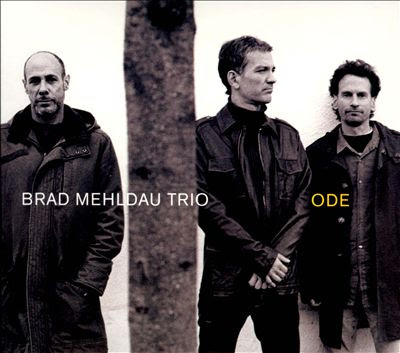
Brad Mehldau • ODE


Review
by Thom Jurek  

Pianist Brad Mehldau has regularly performed with his trio, which has included bassist Larry Grenadier and drummer Jeff Ballard since 2004, when the latter replaced Jorge Rossy. As a trio, they've spent relatively little time in the studio together exclusively -- it's been seven years since Day Is Done. On 2010's Highway Rider, Mehldau augmented the group with Matt Chamberlain, Joshua Redman, and an orchestra. Ode marks the very first album comprised of all Mehldau material cut by this trio. While the title may reflect a a certain ponderousness, these 11 tunes are anything but. Specifically written for this group, they show off an increasingly muscular sense of interplay and stylistic athleticism that wasn't nearly as present on Day Is Done. "M.B." (written in memory of Michael Brecker) states a bluesy theme and moves off into several directions, seemingly at once. Mehldau quickly moves through the head, finds a space, and the band stops on a dime, investigating the various changes seemingly note by note before taking off again. Grenadier's riffing during Mehldau's solo is especially riveting, and his tone is full of wood. Mehldau's soloing on "Stan the Man" is busier, faster, and even denser, as if Art Tatum's wide-reaching blues were his inspiration. On the title track, he maintains the changes and vamp with his left hand as his right hand goes off into free dancing mode. On the Latin-tinged "Dream Sketches," Grenadier's bass solo is not only full of imagination, but twists and turns in groove quotient as well. Ballard's kinetic drumming and percussion are riveting on virtually everything, but here it is exceptionally propulsive. Mehldau's pianism is much more pointillistic; accenting grooves, underscoring them, and finding spaces within them for short, melodic bursts that point to the worlds outside the tune. "Wyatt's Eulogy For George Hanson," begins as a sketchy ballad that moves into a wonderful Grenadier solo before becoming a complex, somewhat dissonant harmonic exploration --Mehldau's use of the lower register is gorgeous. "Aquaman" is another sprint, with quickly shifting ideas and taut interplay. As an album, Odes reveals just how far this group has traveled together these past seven years. More importantly, it provides an exciting glimpse of what may lie on their collective horizon.
https://www.allmusic.com/album/ode-mw0002294650


Biography
by Richard S. Ginell
One of the most acclaimed pianists of his generation, Brad Mehldau is a virtuoso performer with an ear for deeply nuanced, harmonically sophisticated acoustic jazz. While Mehldau is one of the more absorbing and thoughtful practitioners within that idiom, he is also receptive to the idea of using material from the rock era (Paul McCartney's "Blackbird" for example). Though Mehldau's training is primarily classical, his interest in jazz began early and he has subsequently utilized both forms throughout his career. This is evident on his first (of five) Art of the Trio volume, and on 2006's House on Hill and 2010's Day Is Done. Both originals and covers of popular music standards -- from Radiohead to Nick Drake to Paul Simon -- reflect that his playing and compositional style owe as much to the 20th century classical impressionism of Claude Debussy as they do Bill Evans. He delivers classically oriented recordings on his own and with singers Renée Fleming and Anne Sofie von Otter, but he has also issued cross-pollinated explorations of J.S. Bach's classical pieces on After Bach, and worked with the Orpheus Chamber Orchestra on Variations on a Melancholy Theme. Mehldau continues to expand the depth and breadth of the jazz piano tradition, whether playing with his contemporaries Joshua Redman, Christian McBride, and Brian Blade on Round Again, or releasing solo albums like Seymour Reads the Constitution, the Grammy-winning Finding Gabriel, and 2022's prog-rock-inspired Jacob's Ladder.

Born in 1970 in Jacksonville, Florida, Mehldau started playing piano at a young age. Around age ten, he moved to West Hartford, Connecticut where he began taking classical piano lessons. By his teens, he had discovered jazz, listening to artists like Oscar Peterson, John Coltrane, and Keith Jarrett. He played in the Hall High School jazz band in West Hartford, Connecticut, winning the Berklee College of Music's Best All-Around Musician Award while still in his junior year of high school. In college, he studied jazz at New York's New School for Social Research under Fred Hersch, Junior Mance, Kenny Werner, and Jimmy Cobb. Cobb soon hired him to play in his band, Cobb's Mob. Mehldau also played alongside bassist Christian McBride and drummer Brian Blade in saxophonist Joshua Redman's first acoustic quartet before forming his own trio in 1994 and recording his first Warner Bros. album, Introducing Brad Mehldau, in 1995. Art of the Trio, Vol. 1 followed in 1997, with the next two volumes in the series appearing in the following months. Two years later, Mehldau returned with Elegiac Cycle, as well as Art of the Trio, Vol. 4: Back at the Vanguard. Places followed in 2000, consisting of all-original compositions focusing on various cities, hence the title of the album.

Another Art of the Trio album came out in 2001, but the most significant release was Largo, which featured Mehldau performing with other groups outside of his usual trio format. This was a big change from his previous work and offered new challenges as he adapted to several interesting lineup situations. Mehldau followed the genre-bending album with the standards-based Anything Goes and Live in Tokyo in 2004, with Day Is Done arriving the following year. In 2006, he released House on Hill as well as Love Sublime, the latter with soprano vocalist Renée Fleming on Nonesuch Records. Mehldau chose to work with his trio plus Pat Metheny on Quartet in 2007; he followed it up with the double-disc Live in 2008, which was recorded with his trio at the Village Vanguard.

In 2010, Mehldau emerged with the ambitious Highway Rider, a double-disc of 15 new compositions produced by Jon Brion. He employed his trio as well as drummer Matt Chamberlain, saxophonist Joshua Redman, and a small chamber orchestra led by Dan Coleman. Mehldau arranged and orchestrated all the music. Also in 2010, Mehldau was honored by Carnegie Hall when he was named the first jazz artist to hold the Richard and Barbara Debs Composer's Chair for the 2010-2011 season. In 2011, Mehldau appeared on two live albums: His own Live in Marciac and the ECM date Live at Birdland (recorded in 2009) with saxophonist Lee Konitz, bassist Charlie Haden, and drummer Paul Motian. In September of that year, Nonesuch also released a studio album, Modern Music, a collaboration between Mehldau, pianist Kevin Hays, and composer/arranger Patrick Zimmerli. The music on this set comprised tunes by each of the principals, as well as compositions by Ornette Coleman, Steve Reich, and Philip Glass.

On December 6, 2011, while Mehldau was at the beginning of a world tour, Nonesuch issued a box set entitled Art of the Trio Recordings: 1996–2001. The set includes the five Art of the Trio albums -- the last a double-disc -- that were originally issued on Warner Bros. The box also included a seventh disc of previously unreleased material from shows at the Village Vanguard in 1997, 1999, and 2001. A year later, the Brad Mehldau Trio released two studio albums: the all-original Ode and a companion collection of cover songs, Where Do You Start. The pianist then joined drummer/electronicist Mark Guiliana for the duo's collaborative 2014 effort, Mehliana: Taming the Dragon.

The box set 10 Years Solo Live appeared in 2015 and featured solo performances Mehldau had given in Europe in the preceding decade. He then returned to his tried-and-tested trio of Larry Grenadier and Jeff Ballard for 2016's Blues and Ballads, an album that featured their meticulous collective touch on compositions by Cole Porter, Charlie Parker, Lennon/McCartney, and others. Also in 2016, the pianist joined longtime associate saxophonist Joshua Redman for the Grammy-nominated duo album Nearness. The following year, he paired with progressive bluegrass star Chris Thile for the Nonesuch effort Chris Thile & Brad Mehldau, then explored composer J.S. Bach's Well-Tempered Clavier fugues with 2018's After Bach. A few short months later, he was back with another trio album, Seymour Reads the Constitution! His first trio date to include any original material since 2012's Ode, it featured three originals alongside his usual covers of pop songs, jazz tunes, and standards. The pianist continued to stretch himself, playing in guitarist Wolfgang Muthspiel's trio along with Ambrose Akinmusire on the ECM date Where the River Goes. He closed out the year with the archival duo offering Long Ago and Far Away with the late bassist Charlie Haden, recorded at the Enjoy Jazz Festival in Mannheim, Germany in 2007.

Mehldau followed with Finding Gabriel, a recording outside the confines of post-bop jazz that aligned more closely with his other slipstream albums such as Mehliana: Taming the Dragon, Largo, and The Highway Rider. The set included nine thematically related originals by Mehldau, who played piano, synthesizers, percussion, and Fender Rhodes, as well as delivering wordless vocals. The album sessions also offered contributions from guests such as Akinmusire, Giuliana, Sara Caswell, Kurt Elling, Joel Frahm, Gabriel Kahane, Becca Stevens, and others. Its inspiration was taken from a biblical prophecy as related through the ages by the angel Gabriel. Released in the spring of 2019, it took home the Grammy Award for Best Jazz Instrumental Album. The following year, he reunited with the other members of saxophonist Joshua Redman's '90s quartet, including Christian McBride and Brian Blade, for Round Again.

In July, Mehldau released the solo recital Suite: April 2020. Recorded in Amsterdam during the COVID-19 pandemic, the work included 12 original compositions and three favorite standards that, according to the pianist, "... provide a musical snapshot of life in the last month in the world in which we’ve all found ourselves...." Issued digitally and in a numbered, limited-edition run of 1,000 deluxe 180-gram vinyl LPs, all of the latter's proceeds were donated to the Jazz Foundation of America's COVID-19 Musician's Emergency Fund. (CDs and standard vinyl editions were released by Nonesuch in September, also with a significant portion of sales donated to benefit JFA's fund.) A collaboration with the Orpheus Chamber Orchestra, Variations on a Melancholy Theme, arrived in June 2021. Released in 2022, Jacob's Ladder found Mehldau drawing inspiration from scripture and his longtime love of prog rock. Featured on the album were guest appearances from Chris Thile, Cecile McLorin Salvant, Becca Stevens, and others.

https://www.allmusic.com/artist/brad-mehldau-mn0000934305/biography

///////


Reseña
por Thom Jurek  

El pianista Brad Mehldau ha actuado regularmente con su trío, que incluye al bajista Larry Grenadier y al baterista Jeff Ballard desde 2004, cuando este último sustituyó a Jorge Rossy. Como trío, han pasado relativamente poco tiempo juntos en el estudio de forma exclusiva -- han pasado siete años desde Day Is Done. En Highway Rider, de 2010, Mehldau aumentó el grupo con Matt Chamberlain, Joshua Redman y una orquesta. Ode es el primer álbum compuesto por todo el material de Mehldau grabado por este trío. Aunque el título puede reflejar cierta pesadez, estas 11 melodías son todo menos eso. Específicamente escritas para este grupo, muestran un sentido cada vez más musculoso de la interacción y el atletismo estilístico que no estaba tan presente en Day Is Done. "M.B." (escrita en memoria de Michael Brecker) presenta un tema bluesero y se mueve en varias direcciones, aparentemente a la vez. Mehldau se mueve rápidamente por la cabeza, encuentra un espacio, y la banda se detiene en un instante, investigando los diversos cambios aparentemente nota por nota antes de volver a despegar. El riffing de Grenadier durante el solo de Mehldau es especialmente fascinante, y su tono está lleno de madera. Los solos de Mehldau en "Stan the Man" son más bulliciosos, más rápidos e incluso más densos, como si el blues de gran alcance de Art Tatum fuera su inspiración. En el tema que da título al disco, mantiene los cambios y el vampiro con su mano izquierda mientras su mano derecha se lanza al modo de baile libre. En el tema "Dream Sketches", con tintes latinos, el solo de bajo de Grenadier no sólo está lleno de imaginación, sino que también da giros y vueltas en el cociente del groove. La batería y la percusión cinéticas de Ballard son fascinantes en prácticamente todo, pero aquí son excepcionalmente propulsivas. El pianismo de Mehldau es mucho más puntillista; acentúa los surcos, los subraya y encuentra espacios dentro de ellos para breves estallidos melódicos que apuntan a los mundos fuera de la melodía. "Wyatt's Eulogy For George Hanson" comienza como una balada superficial que da paso a un maravilloso solo de Grenadier antes de convertirse en una exploración armónica compleja y algo disonante. "Aquaman" es otro sprint, con ideas que cambian rápidamente y una interacción tensa. Como álbum, Odes revela lo lejos que ha llegado este grupo en estos últimos siete años. Y lo que es más importante, ofrece una emocionante visión de lo que puede haber en su horizonte colectivo.
https://www.allmusic.com/album/ode-mw0002294650


Biografía
por Richard S. Ginell
Uno de los pianistas más aclamados de su generación, Brad Mehldau es un intérprete virtuoso con un oído para el jazz acústico profundamente matizado y armónicamente sofisticado. Aunque Mehldau es uno de los intérpretes más absorbentes y reflexivos dentro de ese lenguaje, también es receptivo a la idea de utilizar material de la era del rock ("Blackbird" de Paul McCartney, por ejemplo). Aunque la formación de Mehldau es principalmente clásica, su interés por el jazz comenzó pronto y posteriormente ha utilizado ambas formas a lo largo de su carrera. Esto es evidente en su primer (de cinco) volumen Art of the Trio, y en House on Hill de 2006 y Day Is Done de 2010. Tanto los originales como las versiones de los estándares de la música popular -desde Radiohead hasta Nick Drake o Paul Simon- reflejan que su forma de tocar y componer debe tanto al impresionismo clásico del siglo XX de Claude Debussy como a Bill Evans. Ofrece grabaciones de orientación clásica en solitario y con las cantantes Renée Fleming y Anne Sofie von Otter, pero también ha publicado exploraciones cruzadas de las piezas clásicas de J.S. Bach en After Bach, y ha trabajado con la Orpheus Chamber Orchestra en Variations on a Melancholy Theme. Mehldau sigue ampliando la profundidad y la amplitud de la tradición del piano de jazz, ya sea tocando con sus contemporáneos Joshua Redman, Christian McBride y Brian Blade en Round Again, o publicando álbumes en solitario como Seymour Reads the Constitution, el ganador del Grammy Finding Gabriel y el prog-rock de 2022 Jacob's Ladder.

Nacido en 1970 en Jacksonville, Florida, Mehldau empezó a tocar el piano a una edad temprana. Alrededor de los diez años, se trasladó a West Hartford, Connecticut, donde empezó a tomar clases de piano clásico. En su adolescencia, descubrió el jazz, escuchando a artistas como Oscar Peterson, John Coltrane y Keith Jarrett. Tocó en la banda de jazz del Hall High School de West Hartford, Connecticut, y ganó el premio al mejor músico completo del Berklee College of Music cuando aún estaba en su primer año de instituto. En la universidad, estudió jazz en la New School for Social Research de Nueva York con Fred Hersch, Junior Mance, Kenny Werner y Jimmy Cobb. Cobb no tardó en contratarlo para que tocara en su banda, Cobb's Mob. Mehldau también tocó junto al bajista Christian McBride y el baterista Brian Blade en el primer cuarteto acústico del saxofonista Joshua Redman antes de formar su propio trío en 1994 y grabar su primer álbum en Warner Bros., Introducing Brad Mehldau, en 1995. Art of the Trio, Vol. 1 le siguió en 1997, y los dos siguientes volúmenes de la serie aparecieron en los meses siguientes. Dos años después, Mehldau volvió con Elegiac Cycle, así como con Art of the Trio, Vol. 4: Back at the Vanguard. En el año 2000 le siguió Places, compuesto por composiciones originales centradas en varias ciudades, de ahí el título del álbum.

En 2001 apareció otro álbum de Art of the Trio, pero el lanzamiento más significativo fue Largo, en el que Mehldau actuaba con otros grupos fuera de su formato habitual de trío. Esto supuso un gran cambio con respecto a su trabajo anterior y le ofreció nuevos retos al adaptarse a varias situaciones de formación interesantes. Mehldau continuó con este álbum de género con los álbumes "Anything Goes" y "Live in Tokyo" en 2004, y al año siguiente con "Day Is Done". En 2006, publicó House on Hill y Love Sublime, este último con la soprano Renée Fleming, en Nonesuch Records. Mehldau optó por trabajar con su trío más Pat Metheny en Quartet en 2007; le siguió el doble disco Live en 2008, que fue grabado con su trío en el Village Vanguard.

En 2010, Mehldau apareció con el ambicioso Highway Rider, un doble disco de 15 nuevas composiciones producido por Jon Brion. Empleó a su trío, así como al baterista Matt Chamberlain, al saxofonista Joshua Redman y a una pequeña orquesta de cámara dirigida por Dan Coleman. Mehldau arregló y orquestó toda la música. También en 2010, Mehldau fue honrado por el Carnegie Hall al ser nombrado el primer artista de jazz en ocupar la Cátedra de Compositor Richard y Barbara Debs para la temporada 2010-2011. En 2011, Mehldau apareció en dos álbumes en directo: Su propio Live in Marciac y la fecha de ECM Live at Birdland (grabado en 2009) con el saxofonista Lee Konitz, el bajista Charlie Haden y el baterista Paul Motian. En septiembre de ese año, Nonesuch también publicó un álbum de estudio, Modern Music, una colaboración entre Mehldau, el pianista Kevin Hays y el compositor y arreglista Patrick Zimmerli. La música de este disco incluía temas de cada uno de los protagonistas, así como composiciones de Ornette Coleman, Steve Reich y Philip Glass.

El 6 de diciembre de 2011, mientras Mehldau se encontraba al comienzo de una gira mundial, Nonesuch publicó una caja titulada Art of the Trio Recordings: 1996-2001. El conjunto incluye los cinco álbumes de Art of the Trio -el último un disco doble- que se publicaron originalmente en Warner Bros. La caja también incluía un séptimo disco de material inédito de espectáculos en el Village Vanguard en 1997, 1999 y 2001. Un año después, el Brad Mehldau Trio publicó dos álbumes de estudio: el original Ode y una colección de versiones, Where Do You Start. El pianista se unió entonces al baterista/electricista Mark Guiliana para el esfuerzo de colaboración del dúo en 2014, Mehliana: Taming the Dragon.

La caja 10 Years Solo Live apareció en 2015 y recogía las actuaciones en solitario que Mehldau había realizado en Europa en la década anterior. A continuación, regresó a su trío, formado por Larry Grenadier y Jeff Ballard, para el álbum Blues and Ballads, de 2016, en el que se muestra su meticuloso toque colectivo en composiciones de Cole Porter, Charlie Parker, Lennon/McCartney y otros. También en 2016, el pianista se unió al saxofonista Joshua Redman, asociado desde hace tiempo, para el álbum a dúo Nearness, nominado al Grammy. Al año siguiente, se emparejó con la estrella del bluegrass progresivo Chris Thile para el esfuerzo de Nonesuch Chris Thile & Brad Mehldau, y luego exploró las fugas del Clave bien temperado del compositor J.S. Bach con After Bach de 2018. ¡Pocos meses después, volvió con otro álbum de trío, Seymour Reads the Constitution! Su primera fecha de trío que incluye material original desde Ode, de 2012, presentaba tres originales junto a sus habituales versiones de canciones pop, temas de jazz y estándares. El pianista continuó estirándose, tocando en el trío del guitarrista Wolfgang Muthspiel junto con Ambrose Akinmusire en la fecha de ECM Where the River Goes. Cerró el año con el dúo de archivo Long Ago and Far Away con el fallecido bajista Charlie Haden, grabado en el Enjoy Jazz Festival de Mannheim (Alemania) en 2007.

Mehldau siguió con Finding Gabriel, una grabación fuera de los confines del jazz post-bop que se alineaba más con sus otros álbumes del torbellino, como Mehliana: Taming the Dragon, Largo y The Highway Rider. El conjunto incluía nueve temas originales de Mehldau, que tocaba el piano, los sintetizadores, la percusión y el Fender Rhodes, además de poner voz sin palabras. En las sesiones del álbum también participaron invitados como Akinmusire, Giuliana, Sara Caswell, Kurt Elling, Joel Frahm, Gabriel Kahane y Becca Stevens, entre otros. Su inspiración fue tomada de una profecía bíblica relatada a través de los tiempos por el ángel Gabriel. Publicado en la primavera de 2019, se llevó a casa el premio Grammy al mejor álbum instrumental de jazz. Al año siguiente, se reunió con los otros miembros del cuarteto de los 90 del saxofonista Joshua Redman, incluidos Christian McBride y Brian Blade, para Round Again.

En julio, Mehldau publicó el recital en solitario Suite: April 2020. Grabado en Ámsterdam durante la pandemia del COVID-19, el trabajo incluía 12 composiciones originales y tres estándares favoritos que, según el pianista, "... proporcionan una instantánea musical de la vida en el último mes en el mundo en el que todos nos hemos encontrado....". Publicado en formato digital y en una edición limitada y numerada de 1.000 LPs de vinilo de lujo de 180 gramos, todos los ingresos de este último se han donado al Fondo de Emergencia para Músicos COVID-19 de la Jazz Foundation of America. (Nonesuch publicó en septiembre CDs y ediciones en vinilo estándar, también con una parte importante de las ventas donada a beneficio del fondo de la JFA). Una colaboración con la Orpheus Chamber Orchestra, Variations on a Melancholy Theme, llegó en junio de 2021. Publicado en 2022, Jacob's Ladder encontró a Mehldau inspirándose en las escrituras y en su antiguo amor por el prog rock. En el álbum aparecen como invitados Chris Thile, Cecile McLorin Salvant y Becca Stevens, entre otros.

https://www.allmusic.com/artist/brad-mehldau-mn0000934305/biography


bradmehldau.com ...